

Stecker Machine Blog

Why Choose a CNC Milling Machine for Global Manufacturing?

Why Choose a CNC Milling Machine for Global Manufacturing?

Global manufacturing is becoming more distributed, customized, and time-sensitive. A Cnc Milling Machine helps producers maintain consistent dimensions across distant facilities. It can cut aluminum housings, steel brackets, and complex aerospace parts from digital designs. That consistency matters when suppliers operate across several time zones.

The evidence is substantial. Fortune Business Insights estimates that the global CNC machine market will grow from approximately USD 86.8 billion in 2024 to USD 140.8 billion by 2032. Deloitte’s 2024 Smart Manufacturing and Operations Survey also reports that 86% of manufacturers view smart manufacturing as important for competitiveness. These figures suggest strong investment momentum, not a temporary trend. Yet market growth alone does not guarantee a successful purchase.

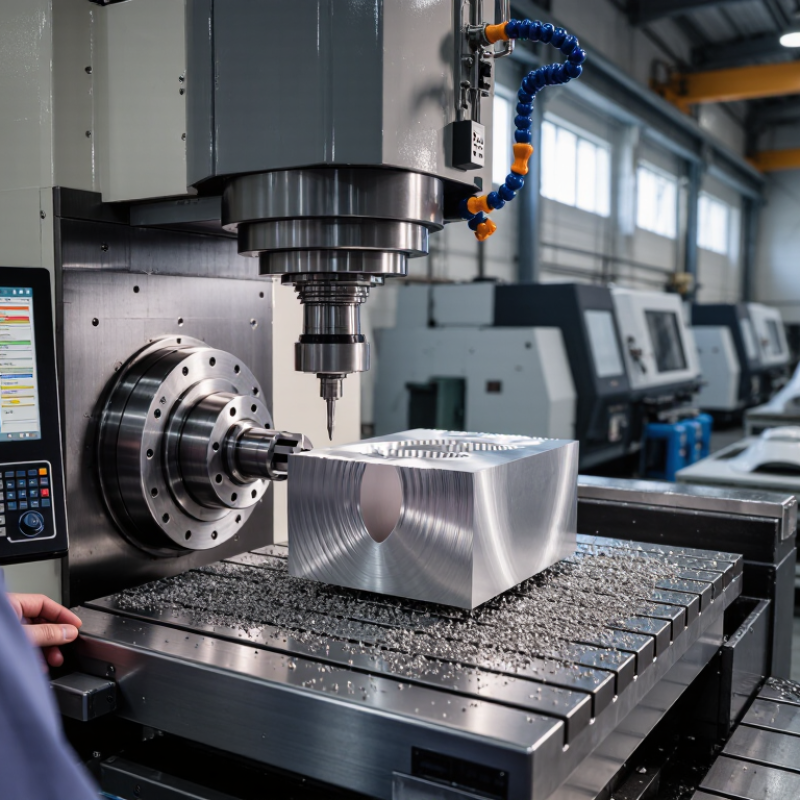
Gene Haas, founder of Haas Automation, has said, “We wanted to make machine tools more affordable.” That principle still influences global sourcing decisions. A modern CNC milling machine can reduce manual handling, support repeatable production, and simplify process monitoring. Operators can inspect a machined surface under bright task lighting, adjust tool offsets, and reproduce the same geometry later. Small details become measurable.

However, the machine is not a complete strategy. Training, maintenance, cutting-tool selection, and realistic production planning remain essential. A low-cost machine may create expensive downtime. This point is easy to overlook. Buyers should compare cycle time, accuracy, service coverage, software compatibility, and energy use before committing. The best choice is rarely the most powerful machine. It is the one that fits the factory’s people, materials, and long-term production reality.
Why Choose a CNC Milling Machine for Global Manufacturing?

What Is a CNC Milling Machine and How Does It Work?

A CNC milling machine is a computer-controlled cutting system. It removes material from a solid workpiece using a rotating tool. The tool spins. The workpiece may stay fixed or move along several axes. Most machines use three axes, while advanced models add rotation for complex surfaces. A CAD model becomes toolpaths through CAM software, then post-processing converts them into machine-readable G-code. The controller follows those commands, adjusts feed rates, and coordinates spindle speed with cutting movement.

During operation, an operator secures aluminum, steel, or engineering plastic on the table. A probe may locate the surface, while sensors help monitor position and tool conditions. Coolant carries heat and chips away from the cut. This detail matters in global production because inconsistent temperature, clamping, or tool wear can ruin repeatability. Grand View Research’s 2024 analysis estimated the global CNC machine market at more than 80 billion U.S. dollars in 2023, with continued growth expected through the decade. The figure suggests strong demand, but market size alone does not guarantee manufacturing quality.

Real shops still face imperfect setups. A small zero-point error can become a visible mismatch across hundreds of parts. That assumption can fail. The International Organization for Standardization’s ISO 230 standards address machine-tool accuracy and testing, giving manufacturers a common reference for verification. Skilled technicians remain essential because software cannot fully judge vibration, burr formation, or an unusual cutting sound. Better results come from combining digital instructions, measured inspection, and practical experience at the machine.
Which Manufacturing Advantages Does CNC Milling Provide?

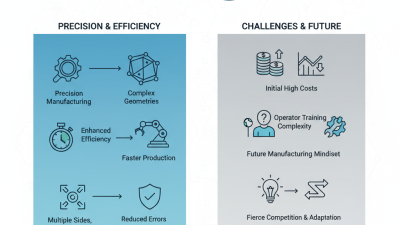
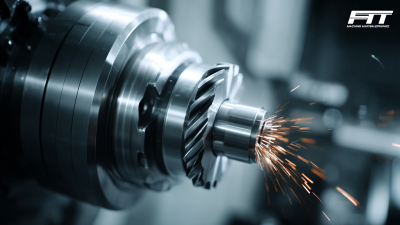
CNC milling gives global manufacturers a practical balance of precision, speed, and production flexibility. From a production engineer’s perspective, one machine can create housings, brackets, molds, and detailed mechanical parts. A digital model guides the cutting process with consistent coordinates. That repeatability matters when suppliers work across different countries and facilities. Tight tolerances help.

CNC milling also handles many engineering materials. Aluminum, steel, brass, and engineering plastics can be machined with suitable tools and cutting parameters. Automated tool paths reduce repetitive manual work and support stable output during medium-sized production runs. For short runs, manufacturers can adjust the design without rebuilding expensive tooling. This can lower development risk. However, setup time and programming still require careful planning.

CNC milling is not automatic perfection. Tool wear can change surface quality, while poor workholding may create small dimensional errors. I have seen a minor zero-point mistake affect an entire batch. That experience makes inspection essential. Skilled operators check the first part, verify critical dimensions, and monitor chips, vibration, and temperature. Measuring equipment should be calibrated and records should remain traceable. The process deserves review, even when the software reports no alarms. A reliable workflow combines machine capability with human judgment, documented checks, and honest attention to its weak points.

How Does CNC Milling Support Global Production Requirements?

CNC milling supports global production by turning digital designs into repeatable physical parts. A plant in one country can machine the same geometry as a partner overseas. That consistency matters. Engineers define tolerances, tool paths, materials, and inspection points before cutting begins. Clear process planning reduces confusion across languages, shifts, and time zones. Standard files also help suppliers quote accurately and prepare suitable fixtures.

A machined aluminum housing may require flat faces, threaded holes, and a tight positional tolerance. CNC equipment can produce these features with controlled tool movement and documented measurements. Operators can inspect the first part, record results, and adjust the process before larger batches begin. This approach supports stable quality across different production locations. It also makes design changes easier to communicate. Updated dimensions can reach every approved facility through controlled documentation.

However, digital repeatability does not remove manufacturing risk. That assumption can fail. Tool wear, incorrect workholding, poor coolant flow, or an uncalibrated probe can affect thousands of parts. Reliable global production therefore needs maintenance records, material certificates, inspection reports, and traceable revisions. Local safety and quality requirements must also be checked before production starts. A practical review of shipping time, spare tooling, and operator training can reveal hidden delays. The process may look efficient on paper, yet small gaps often appear during real production.

Why Choose a CNC Milling Machine for Global Manufacturing? - How Does CNC Milling Support Global Production Requirements?

Manufacturing Dimension Typical CNC Milling Capability Representative Data How It Supports Global Production
Dimensional accuracy Computer-controlled tool paths maintain consistent dimensions across repeated parts. Typical machined tolerances are approximately ±0.01–±0.05 mm, depending on material, geometry, machine condition, tooling, and inspection method. Common digital drawings and defined inspection plans can be applied across multiple production locations.
Repeatability Servo-driven axes and stored programs reduce variation between production cycles. High-quality production equipment commonly achieves repeatability in the range of a few micrometres to several hundredths of a millimetre, subject to conditions. Supports interchangeable parts and consistent assembly when orders are split between regions.
Axis configuration Three-axis machines handle many prismatic parts; four- and five-axis systems access multiple faces in fewer setups. 3-axis, 4-axis, and 5-axis machining are widely used configurations; simultaneous multi-axis machining can reduce setup count. A broader range of part geometries can be produced without creating separate tooling for each market.
Material flexibility Cutting parameters, tools, and coolant strategies can be adapted to different engineering materials. Common materials include aluminium alloys, steels, stainless steels, brass, copper, titanium alloys, engineering plastics, and composites. One manufacturing method can support products designed for different industries and regional material requirements.
Production volume Programs can be reused for prototypes, replacement parts, and recurring production batches. Suitable for one-off parts through low- and medium-volume production; economic batch size depends on setup, material, machining time, and inspection requirements. Enables production to scale without committing to high-volume moulds or dedicated forming tools.
Design change management CAD/CAM programs can be revised when dimensions, features, or materials change. Changes are normally implemented through updated CAD files, CNC programs, work instructions, and revision-controlled inspection documents. Shortens the transition from engineering revision to production in different countries.
Surface finish Feed rate, cutter selection, tool condition, and finishing passes influence the final surface. Machined surface roughness commonly falls around Ra 1.6–6.3 µm, while finer finishes require suitable tooling and additional process control. Defined finish requirements improve visual consistency and functional performance across suppliers.
Quality verification Inspection can be integrated with first-article checks, in-process measurement, and final verification. Typical tools include calipers, micrometers, height gauges, gauges, optical systems, and coordinate-measuring machines. Standard inspection records make quality results easier to compare between factories and regions.
Tooling investment Uses programmable cutting tools rather than product-specific moulds for many part designs. Initial costs are generally concentrated in programming, workholding, cutting tools, setup, and inspection rather than permanent mould tooling. Reduces tooling dependence when products are customised or demand varies between markets.
Digital production transfer Manufacturing instructions can be based on 3D CAD models, 2D drawings, tool lists, and process parameters. Common exchange formats include STEP for 3D geometry and standard drawing formats such as PDF and DWG, subject to customer requirements. Digital documentation supports distributed manufacturing, controlled revisions, and remote technical collaboration.
Supply-chain resilience CNC processes can be reproduced on comparable equipment when workholding, tooling, programs, and inspection criteria are controlled. Production can be allocated by available machine envelope, axis capability, material access, tolerance, and certification requirements. Provides greater flexibility for regional sourcing, capacity balancing, spare-part production, and demand changes.

Note: The figures shown are representative industry ranges, not guaranteed machine specifications. Actual results depend on machine accuracy, calibration, material, part geometry, tooling, workholding, programming, environmental conditions, and inspection procedures.

What Factors Should Manufacturers Consider Before Choosing One?

Choosing a CNC milling machine for global manufacturing starts with the workpiece, not the catalog. Manufacturers should define materials, tolerances, batch sizes, and expected machine hours. A steel housing may need rigid construction, while aluminum parts demand clean chip evacuation. Measure real production data. Guessing here becomes an expensive habit.

Travel range must fit the largest part with safe tool clearance. Spindle speed and torque should match the cutting tools and alloys used daily. Check repeatability under heat, not only at startup. Ask for test cuts using your drawings or comparable samples. Record cycle time, surface finish, tool wear, and operator adjustments. These details reveal practical capability better than impressive specifications.

Before purchase, review service coverage, training, spare-part access, software compatibility, and regional electrical requirements. A reliable supplier should provide documented accuracy tests and clear maintenance intervals. Confirm how quickly technical support responds across time zones. Total cost includes installation, calibration, coolant management, energy, and downtime. The cheapest quote can age badly. I would also leave capacity for future parts, although this can be difficult to predict. A machine chosen too narrowly may limit growth; one chosen too broadly may tie up capital. Discuss safety guarding, emergency controls, and operator ergonomics with the people who will run it. Their daily experience often exposes problems engineers miss.

Why Choose a CNC Milling Machine for Global Manufacturing?

Typical specification ranges manufacturers should evaluate before selecting a CNC milling machine

These representative industrial ranges show why machine selection should be based on the complete production requirement. Spindle speed affects cutting performance, spindle power supports harder materials and heavier cuts, X-axis travel determines workpiece capacity, and table load limits the size and weight of parts that can be processed. Actual specifications vary by machine configuration and application.

How Can Businesses Integrate CNC Milling Into Their Manufacturing Workflow?

Why Choose a CNC Milling Machine for Global Manufacturing?

Integrating CNC milling starts with a part audit, not a machine purchase. Review annual volume, material, tolerances, and setup frequency. High-mix parts may need flexible five-axis capability, while repeatable parts favor standardized fixtures. Deloitte’s 2024 Smart Manufacturing Survey found that 86% of manufacturers view smart manufacturing as important for competitiveness. That finding supports connected production, but connection alone does not fix poor process planning.

Link the CAD model to CAM programming, then connect job data with scheduling and quality records. Use barcode-based travelers, digital setup sheets, and preset tooling to reduce operator guesswork. A practical workflow records spindle time, scrap, tool life, and inspection results. The International Federation of Robotics reported 541,302 industrial robots were installed worldwide in 2023. CNC cells can benefit from similar automation, especially for loading, unloading, and measurement. Human review still matters.

Start with one product family. Measure cycle time before changing equipment. Train machinists on probing, offset control, and basic data interpretation. It sounds simple. It is not always simple. A rushed digital rollout can create faster mistakes, especially when drawings contain unclear tolerances. I have found that weekly reviews expose these gaps earlier than monthly reports. Teams should also protect machine networks, validate backups, and document recovery steps. The goal is a repeatable loop: plan, machine, inspect, learn, and adjust.