Understanding Electrical Steel Best Types and Applications?
Electrical Steel plays a crucial role in various applications. It is a type of steel designed specifically for electrical applications. This material is vital in the manufacturing of motors and transformers. Its magnetic properties enhance efficiency in energy conversion.
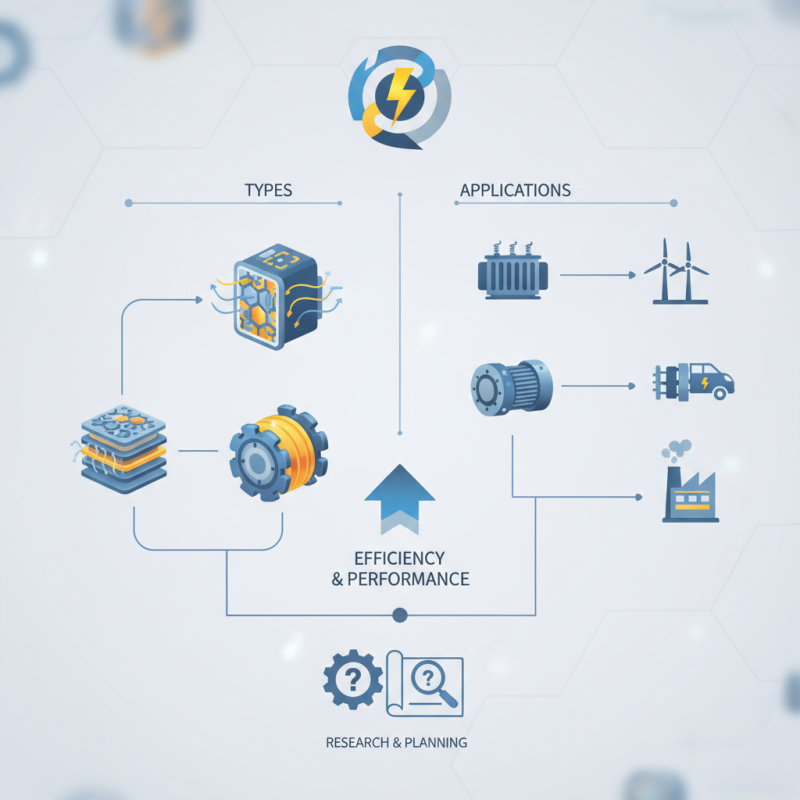
When discussing Electrical Steel, one must consider the different types available. Grain-oriented Electrical Steel is commonly used in transformers. Non-grain oriented varieties serve various applications, from motors to generators. Each type has distinct properties influencing performance and efficiency.
Understanding the best types and applications of Electrical Steel presents challenges. Not all applications require the same type of steel. Choosing the wrong type can lead to inefficiencies. Such mistakes emphasize the need for thorough research and planning. Caution is essential when selecting materials for specific uses.
Characteristics of Electrical Steel: Magnetic Properties and Composition
Electrical steel is vital in various applications, especially in the energy and automotive industries. Its magnetic properties are crucial. This type of steel must possess high magnetic permeability and low core loss. These characteristics enhance efficiency in transformers and electric motors.
The composition of electrical steel significantly influences its performance. It often contains silicon, which improves magnetic properties. However, the addition of silicon can affect ductility. This is a trade-off that manufacturers must carefully consider. Achieving an optimal balance between magnetic performance and mechanical strength is challenging.
Manufacturers must also focus on grain orientation. Electrical steel can be either grain-oriented or non-oriented. Grain-oriented steel is typically used where high efficiency is essential. Non-oriented steel finds applications in a broader range of devices. The choice between them can lead to important performance differences. Understanding these subtleties is key to choosing the right type.
Types of Electrical Steel: Grain-Oriented vs. Non-Grain-Oriented
Electrical steel is crucial for modern energy applications. There are two main types: grain-oriented and non-grain-oriented. Each type has unique properties that suit different uses in the industry.
Grain-oriented electrical steel is designed to optimize magnetic performance. Its grain structure allows for better magnetic permeability. This results in lower energy losses. It is typically used in transformer cores and inductors. These applications benefit from its efficiency in transferring energy. However, it can be more expensive to produce.
Non-grain-oriented electrical steel is more versatile. It maintains performance in multiple directions. This type is often used in electric motors and generators. While it is generally less efficient than its grain-oriented counterpart, it offers increased flexibility for manufacturers. Companies sometimes overlook its cost-effectiveness in certain applications. Choosing the right type of electrical steel is crucial. Understanding their differences can lead to better decisions in design and production.
Applications of Electrical Steel in Motors and Transformers
Electrical steel plays a crucial role in the operation of motors and transformers. Its unique magnetic properties increase efficiency and reduce energy loss. In motors, electrical steel is used to manufacture the core. This core’s design directly affects performance. Thinner laminations are often used to minimize losses. However, not all applications benefit equally from the same type of electrical steel.
Transformers also rely on high-quality electrical steel materials. The core must handle significant magnetic flux without overheating. This is crucial for maintaining longevity and efficiency. Various grades of electrical steel can be selected based on application needs. However, it’s worth noting that the wrong choice can lead to inefficiencies. For instance, using a less suitable grade may increase energy loss. This highlights the need for careful consideration in selection.
In summary, the applications of electrical steel are diverse and vital. Despite advancements, there are still areas to improve. Researchers continue to seek better efficiency and performance metrics. While some strides have been made, there remains room for innovation. Understanding these materials more deeply could unlock future possibilities.
Market Trends: Demand for Electrical Steel in Renewable Energy Sector
The demand for electrical steel is on the rise, especially in the renewable energy sector. As countries switch to cleaner energy sources, the need for efficient transformers and motors grows. This trend is reflected in the increasing production of electrical steel types that optimize performance in renewable applications.
However, challenges remain. Not all electrical steels are suitable for every application. Manufacturers must choose the right grade based on specific needs. For instance, grain-oriented electrical steel excels in transformers but may not be ideal for other components. This nuanced selection process can be overwhelming for some, leading to inefficiencies.
Innovation is crucial in this evolving market. Developing new alloys or processing techniques could enhance the properties of electrical steel. Balancing cost and performance is a persistent challenge. As the renewable energy sector expands, addressing these issues will be essential for future growth.
Understanding Electrical Steel Best Types and Applications
| Type of Electrical Steel | Key Applications | Market Demand (2023) | Growth Rate (% per year) |
| Silicon Steel | Transformers, Motors | 1.2 million tons | 5% |
| Non-Silicon Steel | Electrical Motors, Generators | 850,000 tons | 4% |
| Grain-Oriented Steel | Power Transformers | 500,000 tons | 6% |
| Thin Electrical Steel | Electric Vehicles (EVs) | 750,000 tons | 7% |
| Amorphous Steel | Energy-Efficient Transformers | 300,000 tons | 8% |
Performance Standards: Measuring Efficiency in Electrical Steel Usage
The efficiency of electrical steel is measured through various performance standards. These standards help determine how effectively electrical steel can be used in different applications. Tests assess factors like magnetic permeability and loss. These elements play a crucial role in the steel’s performance.
Different types of electrical steel have unique properties based on their composition. Some may excel in specific applications while falling short elsewhere. Manufacturers often face challenges in selecting the right type. It's crucial to balance performance with cost-effectiveness.
Further, variations in production methods can impact the final product. Understanding these intricacies can help manufacturers avoid common pitfalls. Striving for perfection is a continuous journey, and learning from mistakes is essential for improvement.