


Stecker Machine Blog

Top 10 Check Valve Manufacturers in China

A Check Valve may look like a simple component, yet its internal design can affect flow stability, equipment protection, and maintenance costs. For engineers and purchasing teams, choosing a supplier involves more than comparing prices or catalog photos. Pressure ratings, body materials, connection types, sealing performance, and documented testing all deserve attention. Small details matter.

This guide introduces ten Check Valve manufacturers in China and outlines practical points for comparing their products and capabilities. It considers factors such as product range, manufacturing experience, quality-control practices, technical documentation, and support for different industrial applications. These factors can help readers build a shortlist, but they cannot replace a project-specific assessment. Actual operating pressure, fluid properties, temperature, installation conditions, and required service life should shape the final decision.

The phrase “top 10” is best understood as a useful starting point, not a universal ranking. Manufacturer claims and product specifications should be checked against current documents, sample evaluations, and direct technical discussions. Ask for clear test records and traceable material information where these are relevant to your application. That takes time. It may reveal gaps a polished brochure does not show. No single list can settle every buyer’s needs, and that limitation is worth keeping in view as you compare Chinese suppliers.
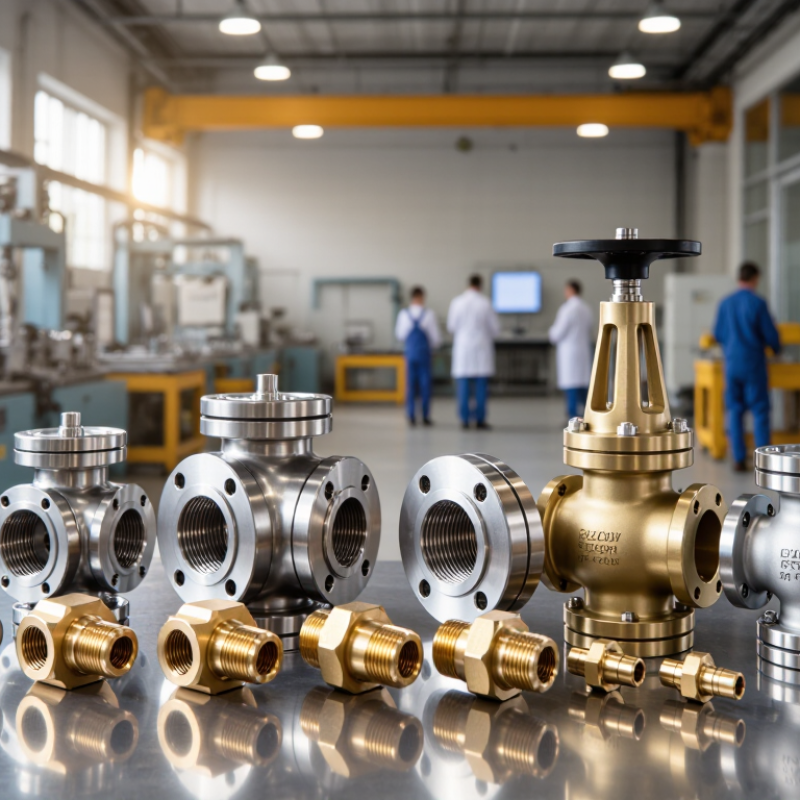
Top 10 Check Valve Manufacturers in China

Check Valves: Functions, Types, and Design Principles

A check valve permits flow in one direction and closes when flow reverses. That sounds simple. In a pump discharge line, however, a delayed closure can trigger water hammer, while an oversized valve may chatter at low flow. Swing valves suit relatively steady, horizontal service; lift valves need adequate pressure to raise the disc. Dual-plate designs save space, and axial designs can close quickly. The right choice depends on fluid, flow rate, installation orientation, and pressure conditions—not just pipe size.

Design starts with the expected flow velocity and pressure drop. A spring-loaded valve may close faster, but its cracking pressure can restrict a low-head system. Small detail, big consequence. The U.S. Department of Energy’s Improving Pumping System Performance: A Sourcebook for Industry reports that pumping systems account for nearly 20% of electricity used by U.S. industrial systems. That figure covers whole systems, not valves alone; still, unnecessary resistance deserves attention. Engineers should also verify body and trim materials against temperature and fluid chemistry. API 598 provides inspection and testing requirements for valves, including closure testing. A pressure rating on a data sheet is not enough. I would still check operating conditions, because real flow is often less tidy than the design case.

China’s Check Valve Industry: Products and Manufacturing Capabilities

China’s check valve industry serves water systems, power plants, chemical processing, and general industrial pipelines. Common products include swing, lift, dual-plate, and nozzle check valves. Each design responds differently to flow rate, installation space, and the risk of water hammer. Fit matters. A valve selected only by nominal size may still create excessive pressure loss or fail to close reliably.

Manufacturing capabilities often cover casting or forging, CNC machining, assembly, and pressure testing. Materials may include cast iron, carbon steel, stainless steel, and selected alloys, depending on the service conditions. Buyers should ask how manufacturers inspect sealing surfaces, verify material grades, and test finished units. Test records matter. A stated pressure rating alone does not explain test duration, acceptance criteria, or operating limits. These details are worth checking against the project specification.

Production scale can vary widely, from standard catalog models to made-to-order designs with special dimensions or connections. Suppliers may also differ in traceability, documentation, and consistency between batches. Not every line. A useful evaluation compares drawings, material certificates, inspection reports, and sample test results, rather than relying on product photos. Even with careful review, field conditions can expose assumptions that shop tests cannot fully reproduce. That limitation deserves attention.

How to Evaluate Check Valve Manufacturers in China

How to Evaluate Check Valve Manufacturers in China

Evaluate a check valve manufacturer by evidence, not catalogue claims. The World Steel Association’s World Steel in Figures 2024 reports that China produced 1,019.1 million tonnes of crude steel in 2023, about 54% of global output. That scale supports broad material availability, but it does not prove a valve’s quality. Ask for material certificates linked to casting heat numbers, plus drawings that state pressure, temperature, and flow direction. Check the proposed body and disc materials against your fluid and operating conditions.

Request inspection records for dimensions, shell pressure, and seat leakage. ISO 5208 provides pressure-testing procedures for industrial valves; ask which test method and acceptance criteria were used. For a sample unit, compare the nameplate, drawing, and report. They should match. Check production traceability and whether the factory can show relevant test equipment in operation. Paperwork alone misses shop-floor discipline. I would not judge a supplier from one successful sample; batch consistency takes more evidence.

Tips: Ask for a recent, redacted test report and confirm its valve model, size, pressure class, and test date. Numbers help. If a key detail is missing, ask why before placing an order.

How to Evaluate Check Valve Manufacturers in China

Suggested evaluation weighting for comparing manufacturers. These percentages are a practical assessment framework, not survey results or ratings of specific companies. Verify applicable standards, test records, and capabilities for each project.

Profiles of 10 Check Valve Manufacturers in China

China’s check-valve manufacturers vary more in production focus than catalog size. Grand View Research estimated the global industrial-valve market at USD 78.7 billion in 2023, with a projected 4.4% compound annual growth rate from 2024 to 2030. This broad market figure is not check-valve-specific, but it signals steady demand for dependable flow-control equipment. Buyers should compare documented pressure ratings, materials, and test procedures—not just price.

Profile 1: an integrated foundry producing iron swing checks for water networks.
Profile 2: a stainless-steel specialist serving corrosive-fluid lines.
Profile 3: a wafer-check producer focused on compact pump installations.
Profile 4: a dual-plate maker emphasizing low weight and short face-to-face dimensions.
Profile 5: a lift-check workshop supplying smaller, high-pressure lines.
Profile 6: a process-valve producer with traceable alloy records.
Profile 7: a water-treatment supplier offering large-diameter bodies.
Profile 8: an export-oriented factory experienced with varied inspection documents.
Profile 9: an OEM-focused shop adapting drawings and connection dimensions.
Profile 10: a custom-engineering producer handling unusual media or operating conditions.

Details matter. A polished body tells little about disc movement, seat leakage, or fatigue life. Ask for material certificates, pressure-test records, and drawings showing flow direction. Check whether testing covers the quoted size and pressure class. One weakness in this comparison is that factory capability can change; verify current evidence directly before purchase.

Industries and Applications Served by Chinese Check Valve Makers

Chinese check valve manufacturers serve power generation, municipal water, petrochemicals, mining, shipbuilding, and building services. Their products stop reverse flow in pump outlets, boiler feed lines, cooling loops, and drainage networks. Small details matter: a disc that closes too slowly can cause pipe vibration, while poor material selection may shorten service life. IEA’s Renewables 2023 report says China contributed about 60% of global renewable capacity additions in 2023. That growth increases demand for dependable valves in water circulation and auxiliary systems. Site conditions still decide the right design.

Steel production also creates substantial demand for process valves. World Steel Association’s World Steel in Figures 2024 reports that China produced about 1.02 billion tonnes of crude steel in 2023, over half of global output. Check valves in steelworks may face hot water, scale, abrasive slurry, or frequent pressure changes. Buyers should compare pressure ratings, body materials, connection types, and maintenance access against actual operating conditions. A catalogue rarely tells the whole story. Ask for test records and clarify the medium, temperature, and expected cycle rate before selection. Even then, field performance can differ from the specification.