China Top 10 Mask Folding Machine Manufacturers?
China’s Mask Folding Machine sector has become a critical link in automated medical and protective-mask production. Chinese manufacturers now offer servo-driven folding systems, ultrasonic sealing, automatic nose-wire insertion, and inline inspection. These features can reduce manual handling and improve output consistency. They do not guarantee quality alone.
Market data explains the continuing interest. Grand View Research reported that the global disposable face mask market was valued at approximately USD 74.9 billion in 2020, with strong growth expected through 2028. Fortune Business Insights reported different figures, reflecting a narrower market definition. That difference matters. It shows why machine buyers should examine production capacity, mask type, certification, and after-sales service instead of trusting headline numbers.
Professor Raina MacIntyre, a leading mask-performance researcher, has stated, “Masks are not a substitute for other measures.” Her point also applies to machinery. A fast Mask Folding Machine cannot compensate for weak materials, poor sealing, unstable tension, or careless maintenance. Small defects can appear at high speed.
This guide reviews China’s top 10 Mask Folding Machine manufacturers through practical purchasing criteria. These include folding accuracy, ultrasonic stability, PLC control, changeover time, spare-parts access, and factory testing. Manufacturer claims require verification. Some published specifications remain incomplete, and advertised speeds may depend on ideal materials and experienced operators.
The best supplier is not always the fastest one. Reliability leaves evidence: clean wiring, repeatable samples, documented tests, and responsive technical support. This comparison aims to identify those details, while acknowledging that rankings can change with technology, service performance, and market conditions.
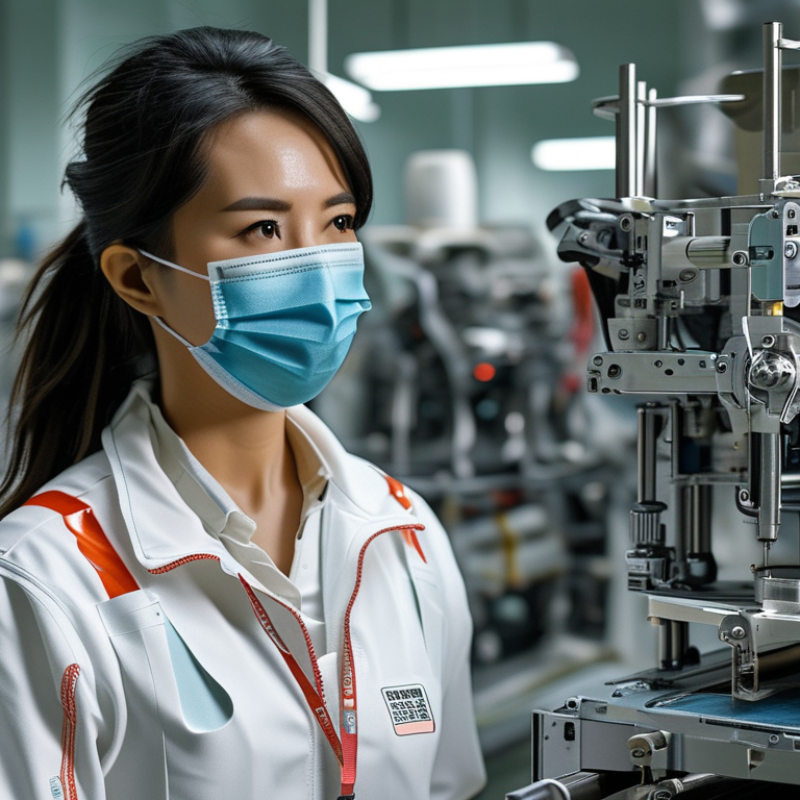
Mask Folding Machines: Purpose, Types, and Core Production Features
A mask folding machine converts flat filter material into a precise folded structure. Its main purpose is to increase filtration area without making the mask excessively large. In a production line, the machine may unwind fabric, guide layers, create pleats, and cut each section. Accurate folding matters. Uneven pleats can cause poor fitting and unstable downstream welding.
Common types include manual-assisted, semi-automatic, and fully automatic models. Some machines produce single folds, while others create multi-layer respirator structures. Servo-driven systems usually offer better speed control and repeatability. Pneumatic units can be simpler to maintain, but their air pressure must remain stable. Operators should also inspect sensor alignment, roller wear, and material tension during each shift.
Core production features include adjustable folding depth, edge alignment, programmable speed, and quick changeover. Stainless steel contact areas support cleaner operation and easier maintenance. A reliable machine should stop when material breaks or shifts. That small safeguard prevents long batches of defective products. During factory evaluations, I would request sample runs using the actual fabric, not only demonstration material. This reveals noise, wrinkles, heat buildup, and real output stability. Specifications can look impressive on paper. They can still disappoint in daily production. A careful buyer should record rejection rates, cleaning time, spare-part access, and operator training needs before choosing among Chinese manufacturers.
How to Evaluate China’s Top Mask Folding Machine Manufacturers
China Top 10 Mask Folding Machine Manufacturers?
How to Evaluate China’s Top Mask Folding Machine Manufacturers
When evaluating Chinese mask folding machine manufacturers, inspect evidence, not advertising language. A high ranking means little without stable production records, clear engineering data, and responsive technical support.
Request machine videos showing continuous operation, not edited demonstrations. Check folding accuracy, material tension, noise, and output consistency. Ask for test reports using your actual fabric and dimensions. During a factory visit, examine wiring, pneumatic lines, guarding, and spare-part storage. Small details often reveal production discipline.
Speak with the design engineer, not only the sales representative. Confirm the control system, changeover time, sensor quality, and maintenance schedule. Ask how defects are recorded and corrected. Reliable manufacturers provide drawings, manuals, installation training, and traceable component lists. Weak answers matter. They may signal future delays.
Review the factory’s quality process from incoming materials to final inspection. Ask whether each machine receives load testing before shipment. Confirm remote support hours and the availability of replacement parts. A written warranty should define response times and excluded conditions. Price comparisons can mislead when service, tooling, and operator training are missing. The cheapest offer may become expensive after installation.
A practical evaluation should include a paid sample run and acceptance criteria. No audit is perfect. One overlooked alignment issue can affect thousands of finished masks. I would document every promise, although written records still need regular checking.
Profiles of the Top 10 Chinese Mask Folding Machine Manufacturers
China’s leading mask folding machine manufacturers serve different production needs. The first profile focuses on compact, servo-driven units for small factories. Another specializes in high-speed folding and ultrasonic sealing. Several suppliers build complete lines with conveyors, counters, and vision inspection. One manufacturer emphasizes stainless-steel frames and easy cleaning. Others develop machines for flat-fold, duckbill, or multilayer designs. Some offer private-label engineering and rapid replacement parts. A few concentrate on export documentation and multilingual support. The strongest profiles combine stable output, operator safety, and practical after-sales training. Yet “top” remains relative. A supplier may excel in speed but struggle with software support.
Fortune Business Insights reported that the global face mask market reached about USD 8.2 billion in 2023. Its analysis highlights automation and quality consistency as continuing priorities. Grand View Research also identifies rising demand for automated protective-product manufacturing. These figures support investment, but they do not guarantee machine performance. Factory trials matter more than polished brochures. Ask each manufacturer for measured folding accuracy, cycle speed, rejection rates, and energy use. Request recent customer references. Inspect the control cabinet, welds, sensors, and spare-parts list. Small details reveal manufacturing discipline.
Tips: Compare ten suppliers using one test material and one production target. Check whether quoted speed includes loading, inspection, and stoppages. A machine can look impressive during a short demonstration. Long-run stability is harder to prove. I would also budget for training, tooling changes, and unexpected downtime. That part is often underestimated.
Comparing Technology, Capacity, Quality, and After-Sales Support
China’s top ten mask folding machine manufacturers should be compared through measurable performance, not catalog claims.
Fortune Business Insights valued the global medical mask market at about USD 5.35 billion in 2023. This demand rewards stable automation and quick changeovers.
Look for servo-driven folding, vision inspection, and recipe storage for different mask sizes. A practical benchmark is 100–200 pieces per minute, but speed alone is misleading. Ask for verified output, rejection rates, and continuous-run test records.
Capacity should match your production plan. A compact line may suit regional orders, while larger factories need synchronized forming, folding, welding, and counting modules.
PMMI industry reports repeatedly identify labor efficiency and equipment integration as major packaging priorities. That makes PLC communication and remote diagnostics valuable.
Still, remote support cannot replace skilled technicians. Check spare-parts availability, response times, installation training, and the number of service engineers covering your region.
Quality evidence matters more than polished brochures.
Suppliers should document quality controls aligned with ISO 9001, while medical production environments may require ISO 13485-based procedures. Request electrical safety documentation, factory acceptance tests, maintenance schedules, and sample inspection data.
The World Health Organization stresses consistent mask performance and reliable supply chains, yet machine buyers sometimes under-test long-term stability.
I would also inspect noise, heat, belt wear, and cleaning access during a site visit. Small weaknesses become expensive later.