What is a Slitter Cutter Machine and How Does it Work?
A Slitter Cutter Machine is an essential tool in various manufacturing sectors. This machine plays a crucial role in converting large rolls of material into thinner, more manageable strips. Industries such as packaging, printing, and textiles frequently utilize these machines.
The Slitter Cutter Machine operates by employing sharp blades to slice through materials like paper, plastic, and metals. These blades can be adjusted for different thicknesses, allowing for versatility. Operators must ensure correct settings to achieve desired results. Precision is vital, as even a small error can lead to wastage.
Despite its advancements, the Slitter Cutter Machine still requires careful handling. Operators should be trained to prevent accidents and ensure safety. Understanding how to adjust the machine can also minimize inefficiencies. Continuous reflection on the machine’s operation can lead to improvement in production quality.
What is a Slitter Cutter Machine?
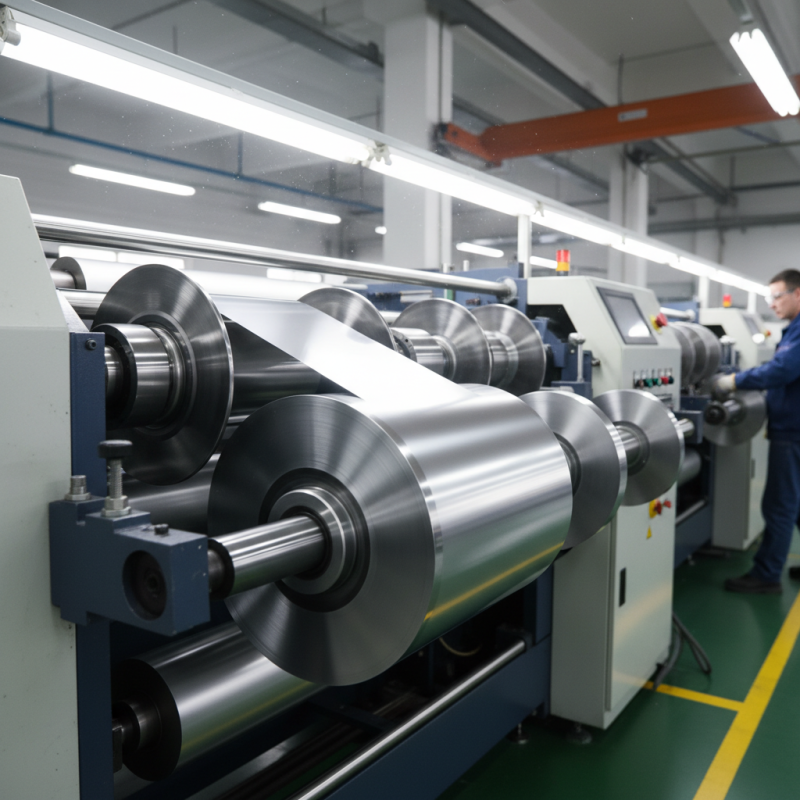
A slitter cutter machine is an essential tool in various manufacturing processes. It is primarily used to cut wide rolls of material into narrower strips. These materials can include paper, plastic, metal, and fabric. The design of the machine makes it efficient for high-volume production. Typically, the slitter feeds the material through sharp blades arranged in a specific configuration. The machine operates at high speeds, making it a crucial component in industries like packaging and textiles.
In operation, precision is key. If the blades are not aligned correctly, the cuts may not be uniform. This can lead to wasted materials and increased costs. The machine often requires regular maintenance to keep it functioning well. Operators need to be trained to handle such equipment. Sometimes, errors occur, which can cause delays in production. This necessity for precision highlights the importance of skilled workers. While the machine can perform tasks quickly, human oversight remains vital for success.
Production Efficiency of Slitter Cutter Machines
This bar chart illustrates the production efficiency of slitter cutter machines over a six-month period. The data showcases the number of units produced each month, highlighting fluctuations in production output.
Key Components of a Slitter Cutter Machine
A slitter cutter machine is vital for various industries. It trims large rolls of material into narrower widths. Understanding its key components helps in effective operation.
One essential part is the cutting blade. These blades are often made from durable steel. They can vary in size, depending on the material. Sharpness is crucial. Dull blades can result in uneven cuts and waste. Operators need to check blades regularly.
Another key component is the unwind and rewind units. These units hold the material rolls securely. An unstable roll can lead to misalignment during the cutting process. Tension control is also important here. If the tension is too high or low, it could affect the final product. Additionally, guiding rollers ensure smooth material flow. Proper alignment is necessary to avoid jams.
What is a Slitter Cutter Machine and How Does it Work? - Key Components of a Slitter Cutter Machine
| Component | Description | Function |
| Slitting Blade | A sharp blade used to divide materials into narrower rolls. | Cuts the material into specified widths. |
| Feed Mechanism | System that pulls the material into the cutting area. | Ensures consistent feeding for precise cuts. |
| Unwinding Stand | Supports the roll of material being slit. | Provides tension and stability while cutting. |
| Rewinding Stand | Holds the finished slitted rolls. | Collects the material post-slit for packaging or further processing. |
| Control Panel | User interface for operating the machine. | Allows adjustments to speeds, blade positions, and other settings. |
| Safety Guards | Barriers that prevent accidental contact with moving parts. | Ensures operator safety while the machine is in operation. |
The Operating Mechanism of a Slitter Cutter Machine
A slitter cutter machine plays a crucial role in various industries by efficiently processing materials. Its operating mechanism is fascinating. Typically, it uses rotating blades to slice material into smaller, manageable sections. These machines can handle a range of materials, including paper, plastic, and metals. According to a report by the International Market Analysis Research and Consulting Group, the global slitting and rewinding machine market is projected to reach $2.5 billion by 2026, showcasing the growing demand for slitter cutter machines.
The blades operate in a precise alignment, creating clean cuts while maintaining the desired width. This precision is vital, especially in industries requiring uniform specifications. However, machine maintenance can sometimes be overlooked. Regular sharpness checks of blades ensure optimal performance. A dull blade can lead to uneven cuts, impacting product quality. Studies show that poorly maintained machines can increase production costs by 15%.
Additionally, the setup of a slitter cutter can be time-consuming, requiring skilled operators for adjustments and calibrations. Training and understanding of the equipment are essential. The learning curve can be steep, but investing in proper training can greatly improve efficiency. Challenges like these remind manufacturers of the need for continuous improvement and adaptation in their processes.
Applications of Slitter Cutter Machines in Industry
Slitter cutter machines play a vital role in various industries. They are essential in processing materials like paper, plastic, and metals. These machines cut large rolls of material into smaller, more manageable sizes. This makes them ideal for companies involved in packaging and manufacturing. In a fast-paced environment, precision is key, and slitter cutters deliver that.
In the packaging industry, slitter cutters are instrumental. They create strips of flexible packaging materials to fit specific dimensions. This process reduces waste and optimizes resource use. However, achieving the perfect cut is not always guaranteed. Any slight misalignment can lead to material loss. Additionally, maintenance of these machines is crucial. Regular checks are often overlooked, which may result in unexpected downtime.
Another application is in the textiles sector. Slitter cutters produce fabric rolls in desired sizes for clothing manufacturers. The accuracy ensures consistency in product quality. Yet, the operators must be well-trained. A lack of skills can lead to errors. These mistakes not only waste materials but also increase costs. Overall, while slitter cutter machines enhance efficiency, they require careful handling and regular oversight.
Benefits of Using a Slitter Cutter Machine for Material Processing
A slitter cutter machine is essential in material processing. It cuts large rolls of material into narrower strips. This is vital for industries such as packaging, textiles, and plastics. The machine operates by simultaneously slicing through the material with precision blades. This ensures each cut is clean and accurate. Efficiency is critical in production, and slitter cutters play a significant role in achieving this.
Using a slitter cutter machine offers numerous benefits. It increases productivity by handling large volumes quickly. Companies can reduce labor costs since automated systems take over many manual tasks. Quality of the end product improves as uniformity in width is maintained through each cut. Although mistakes can happen, the right settings minimize errors. Regular maintenance is necessary to keep the blades sharp and the operation smooth.
Additionally, the versatility of these machines allows processing different materials. From paper to plastic, they adapt to various thicknesses and textures. This adaptability can be a double-edged sword; if not properly calibrated, it may lead to waste. Operators need to remain vigilant and make adjustments as necessary. Overall, the slitter cutter machine is a powerful tool for efficient material processing, but it demands careful management to maximize its potential.