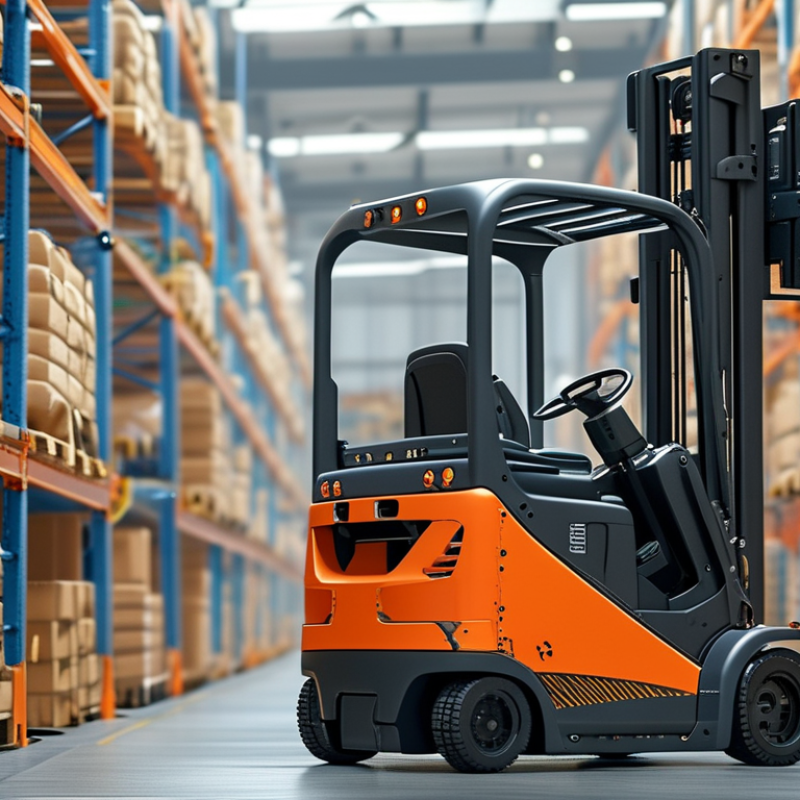
What is a Robotic Forklift and How Does It Work?
A Robotic Forklift is revolutionizing warehouse logistics. These automated machines are designed to handle heavy loads efficiently. With the rise of e-commerce, the demand for swift and reliable material handling has skyrocketed.
Using advanced sensors and software, a Robotic Forklift navigates through aisles autonomously. These forklifts can adapt to various warehouse layouts. They operate alongside human workers, enhancing productivity and safety. However, challenges remain, like ensuring optimal communication between robots and humans.
The effectiveness of a Robotic Forklift relies on its programming and the environment it operates in. While they offer many benefits, their integration can lead to operational complexities. It’s essential to weigh the advantages against potential drawbacks in implementation. As technology evolves, so will the capabilities of these robotic systems.
Definition and Overview of Robotic Forklifts
Robotic forklifts represent a significant evolution in warehouse logistics. As automation becomes essential, these machines have begun taking center stage in material handling operations. They use advanced sensors and artificial intelligence to navigate environments, lift loads, and move them to designated areas. According to a report by the Material Handling Industry of America, robotic forklifts are predicted to grow by 45% in adoption over the next five years. This growth indicates their increasing reliability in improving operational efficiencies.
These autonomous machines can operate continuously, reducing labor costs and minimizing human errors. A recent study from the International Federation of Robotics highlights that incorporating robotic solutions can enhance productivity by up to 30%. However, challenges remain. Integrating robotic forklifts into existing systems requires careful planning and training. Also, companies must address maintenance and software updates to ensure optimal function. Many organizations might struggle with such transitions, reflecting the complexities of adapting advanced technology to traditional logistics processes.
Robotic forklifts often require significant upfront investment, which can deter smaller businesses. Yet, the long-term benefits, such as lower operating costs and enhanced safety, often outweigh these concerns. In warehouses with varying spatial layouts, the versatility of robotic forklifts proves both a strength and a potential limitation. Companies must evaluate their specific needs before fully committing to this technology.
Key Components of Robotic Forklifts
Robotic forklifts are transforming warehouse operations. Understanding their key components is vital for efficient use.
One of the main components is the navigation system. This system typically uses lasers or cameras to map the environment. It updates in real-time, allowing for precise movement and avoiding obstacles. Another essential part is the lifting mechanism, which enables the robotic forklift to lift and lower heavy loads. This mechanism must be robust to handle various weights while ensuring safety.
When integrating robotic forklifts, consider training your team. Familiarity with the system can prevent accidents and improve productivity. Regular maintenance is also crucial to ensure the forklifts operate efficiently. Check for software updates and inspect hardware regularly.
Battery life plays a significant role in robotic forklift operations. Longer shifts require efficient energy management. Investing in fast-charging solutions can minimize downtime. Monitoring battery performance can also extend its lifespan, ensuring reliable operation over time.
What is a Robotic Forklift and How Does It Work? - Key Components of Robotic Forklifts
| Component | Description | Function |
| Sensors | Devices that help the forklift perceive its environment | Enable obstacle detection and navigation |
| Navigation System | Includes software and hardware to map and navigate | Provides autonomous movement through the warehouse |
| Battery | Power source for the robotic forklift | Supplies energy for operation |
| Lifting Mechanism | System that raises and lowers loads | Enables handling of various pallet heights |
| Control System | Hardware and software that manage operations | Coordinates movements and processes |
| Communication Interface | Facilitates interaction with warehouse management systems | Allows integration with inventory and orders |
How Robotic Forklifts Navigate and Operate
Robotic forklifts are designed to streamline warehouse operations. They use advanced sensors and software to navigate through storage areas. These machines are equipped with LiDAR technology, which maps the environment. This helps in detecting obstacles and adjusting their paths accordingly. The integration of computer vision enhances the ability to identify objects and optimize routes.
When using robotic forklifts, consider these insights. Regular updates to the navigation software are crucial. This ensures accuracy in mapping and obstacle detection. Additionally, routine maintenance of sensors can prevent operational hiccups. Operators should understand the limitations of the technology. These machines may struggle in cluttered spaces.
The unique navigation abilities of robotic forklifts can also lead to challenges. Sometimes, these forklifts may misinterpret an obstacle. This can result in delays or minor accidents. Managers need to monitor performance closely. Gathering data on their operations can highlight areas for improvement. Investing time in training staff on these systems pays off in the long run.
Usage of Robotic Forklifts by Industry
Applications of Robotic Forklifts in Various Industries
Robotic forklifts are revolutionizing how industries handle material transportation. In warehouses, these automated vehicles increase efficiency by moving products with precision. They navigate through aisles autonomously, reducing the risk of human error. In busy environments, where time is money, this technology shines. Many operations report higher throughput and lower labor costs. However, the initial investment can be daunting for smaller companies.
Manufacturing plants also benefit from robotic forklifts. They transport heavy materials, allowing human workers to focus on complex tasks. This leads to better utilization of the workforce. Yet, reliance on technology can lead to concerns about job security. Companies must find a balance between automation and human labor. As industries evolve, finding that equilibrium is critical for a smooth transition.
Logistics sectors are another area of growth. Robotic forklifts streamline the sorting and dispatch process. They can work around the clock, which helps meet increasing demands. Nonetheless, integrating them into existing systems can pose challenges. Ensuring compatibility with current technology requires thoughtful planning. This ongoing adjustment process highlights the complexity of integrating new technology into established practices.
Benefits and Challenges of Implementing Robotic Forklifts
Robotic forklifts offer many advantages in modern warehouses and distribution centers. They operate with precision, reducing human error during loading and unloading tasks. These machines can navigate effectively, even in tight spaces. Their ability to function continuously allows for improved efficiency and productivity.
However, implementing robotic forklifts comes with challenges. Initial investment costs can be high, which may deter some businesses. Staff training is essential for smooth integration. Employees need to understand how to work alongside these machines safely. Additionally, maintenance can pose a concern, as any downtime could disrupt operations. These aspects highlight the importance of careful planning.
Considering these factors, businesses must assess their unique needs. The decision to adopt robotic forklifts requires thorough evaluation. Companies should not overlook the potential for increased efficiency versus the hurdles they may face. Balancing automation with human labor remains a key consideration in this evolving landscape.