What is a Fiber Plastic Sheet Machine and How Does It Work?
The Fiber Plastic Sheet Machine is a revolutionary device in the manufacturing industry. It efficiently produces sheets made from fiber-reinforced plastics. These materials are known for their strength and durability, making them ideal for various applications.
Understanding how this machine works is crucial. It combines innovative technology with precision engineering. The process begins with raw materials being heated and mixed. This mixture is then formed into sheets. However, not all machines operate perfectly. There are challenges, such as material inconsistencies and operational errors.
The importance of high-quality sheets cannot be overstated. Industries use these sheets for everything from construction to automotive parts. While the Fiber Plastic Sheet Machine has its limitations, its potential for improvement is significant. Continuous advancements in technology may enhance its efficiency and output. This is a field worth watching closely.
What is a Fiber Plastic Sheet Machine?
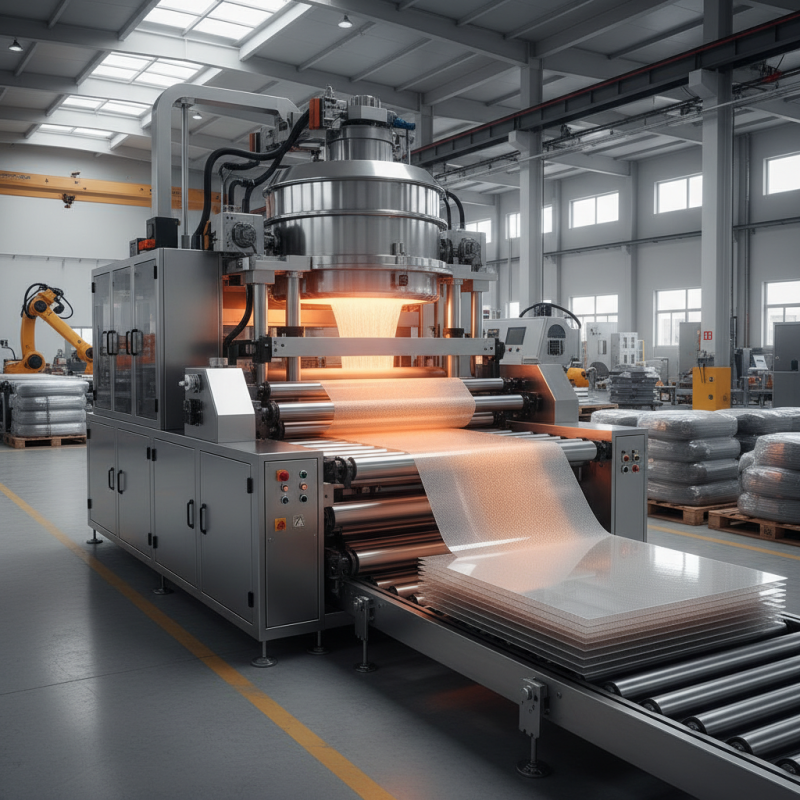
A fiber plastic sheet machine is essential for producing versatile sheets used in various applications. It combines natural or synthetic fibers with plastic materials. This machine simplifies the manufacturing process, making it efficient and cost-effective. Fiber plastic sheets are widely used in construction, automotive, and packaging industries.
The machine operates through an extrusion process. Raw materials are heated and melted, then pushed through a mold. This creates a uniform sheet. Once cooled, the sheets are cut into desired sizes. Users can adjust various parameters for thickness and texture.
However, the operator's experience is crucial. Understanding material properties can affect the final product. Sometimes, achieving consistency is challenging. Different fiber compositions may lead to varying results. Troubleshooting and experimenting are part of getting it right.
Production Capacity of Fiber Plastic Sheet Machine
Components of a Fiber Plastic Sheet Machine
Fiber plastic sheet machines are essential in the production of composite materials. These machines consist of several key components that work together to create high-quality sheets. The main components include a feeder, extruder, die, and cooling system. Each part plays a crucial role in the manufacturing process.
The feeder introduces raw materials, such as fibers and plastic pellets, into the extruder. According to industry reports, efficient feeding systems can improve output by up to 20%. The extruder melts the materials at controlled temperatures and pressures. Next, the die shapes the molten mixture into sheets. Variations in die design can significantly affect the final product's thickness and width.
Finally, the cooling system solidifies the sheets for further processing. The cooling stage is critical, as it affects the sheet's strength and durability. Recent studies indicate that optimized cooling can enhance material performance by 15%. However, ensuring uniform cooling throughout the sheet can be challenging. Manufacturers must regularly assess their equipment and practices to avoid common pitfalls, such as uneven thickness or defects. Balancing efficiency and quality remains a key consideration in this process.
What is a Fiber Plastic Sheet Machine and How Does It Work? - Components of a Fiber Plastic Sheet Machine
| Component | Function | Material Used | Importance |
| Feeder | Inputs raw materials into the machine | Metal or Plastic | Essential for consistent material supply |
| Mixer | Blends components for uniformity | Stainless Steel | Crucial for material consistency |
| Extruder | Transforms raw material into sheet form | Aluminum | Key component for shaping materials |
| Cooling System | Maintains temperature for proper solidification | Plastic or Metal | Ensures integrity of the final product |
| Cutting Unit | Cuts finished sheets into required sizes | High-Speed Steel | Finalizes the product for market |
The Working Process of a Fiber Plastic Sheet Machine
The fiber plastic sheet machine is essential in modern manufacturing. It converts raw materials into versatile plastic sheets. This process starts with the feeding of polymer pellets into a hopper. These pellets are then melted and mixed to form a homogenous mass. An industry report from Markets and Markets highlights a steady growth of 7% in this segment by 2025, indicating increasing demand for efficient machines.
Once the material is prepared, it flows into a die where it is shaped into sheets. Cooling and solidifying processes follow. This is critical to ensure the sheets maintain proper thickness and dimensions. The technology allows for precise control, which is vital given the market’s varied specifications. A survey by Smithers Pira indicates that up to 60% of manufacturers face challenges with thickness consistency, showcasing an area for improvement.
After shaping, the sheets undergo quality checks for durability and strength. This ensures compliance with industry standards. However, manufacturers often grapple with waste during production. Reducing this waste remains a pressing concern. The fiber plastic sheet machine's efficiency directly affects overall productivity and sustainability in the industry, calling for ongoing refinement.
Applications of Fiber Plastic Sheets in Various Industries
Fiber plastic sheets are increasingly popular across various industries due to their unique properties. These sheets offer excellent durability, lightweight design, and resistance to environmental factors. In construction, fiber plastic sheets are used for insulation and cladding. They help improve energy efficiency, reducing costs. Recent reports indicate that the construction sector accounts for approximately 30% of fiber plastic sheet applications.
In the automotive industry, fiber plastic sheets are employed in interior fittings and exterior panels. Their lightweight nature contributes to fuel efficiency and lower emissions. Industry forecasts suggest that the automotive use of fiber plastics will grow by 5% annually. This trend highlights the potential for innovation and sustainability within the sector. However, challenges persist in recycling and disposal processes. The environmental impact of fiber plastic waste remains a concern, necessitating ongoing discussions on improved methods.
The packaging industry benefits from fiber plastic sheets as well. They provide a strong barrier against moisture and pollutants. This is vital for food packaging, ensuring freshness and safety. However, only 25% of fiber plastics are currently recycled. This raises questions about sustainability practices industry-wide. Companies need to address these issues to enhance the overall lifecycle of fiber plastic products.
Advantages of Using Fiber Plastic Sheet Machines
Fiber plastic sheet machines are transforming how businesses produce synthetic sheets. These machines offer several advantages that can enhance manufacturing processes. One notable benefit is their efficiency. They produce sheets at a rapid pace, which can significantly increase output levels. This allows businesses to meet demands quickly.
The versatility of fiber plastic sheets is another key advantage. They can be used in various applications, from packaging to construction. Their lightweight nature makes them easy to handle, reducing labor costs. Fiber plastic sheets also provide excellent durability and resistance to moisture, which extends the lifespan of products made from them.
However, not all machines are created equal. Some may not be optimized for specific materials, leading to waste. Understanding the settings and specifications is crucial. Companies need to assess their needs and select machines that align with those requirements. This ensures that they maximize the benefits fiber plastic sheet machines can offer.