How to Determine Cnc Machine Cost for Your Business Needs?
Determining the Cnc Machine Cost for your business involves a careful analysis of various factors. Understanding these elements is essential for making informed investments. A CNC machine is a significant asset that can impact your production capabilities and overall costs.
The initial price of a CNC machine is just the beginning. You need to consider ongoing expenses like maintenance, tooling, and labor. Exploring the right specifications for your production needs can be daunting. It often leads businesses to question what they truly require versus what is available on the market.
Misjudging the Cnc Machine Cost can lead to financial strain. Are you truly aware of the potential hidden costs? It’s vital to weigh both the advantages and limitations of your options. Investing wisely demands knowledge and experience. Reflecting on these variables helps in making the best choice for your business objectives.
Factors Influencing the Cost of CNC Machines
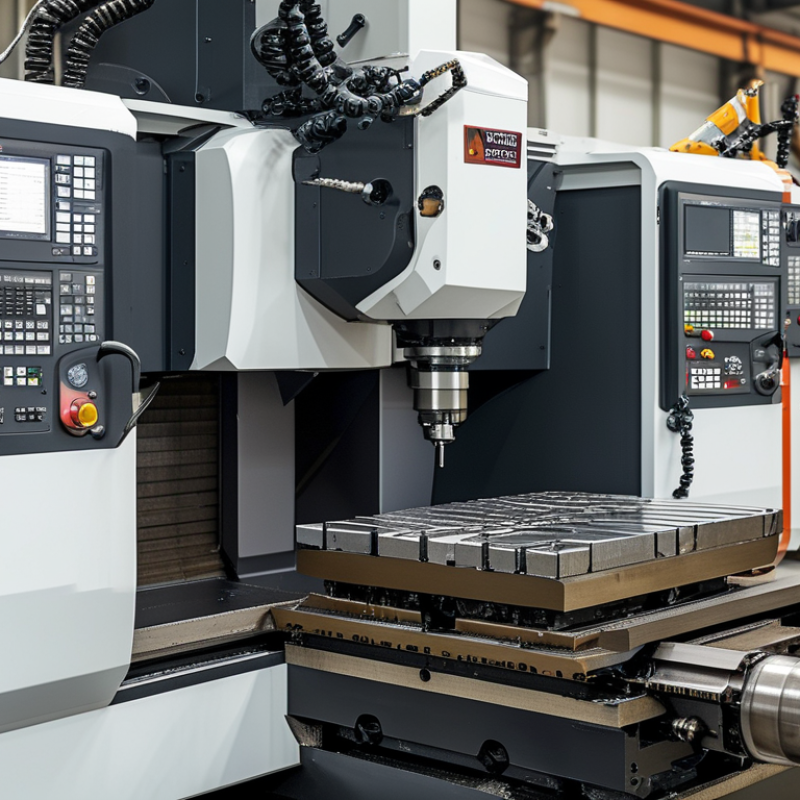
When considering the cost of CNC machines, several factors come into play. The type of machine is foundational. Different machines serve various purposes, influencing their pricing. For instance, a basic CNC router costs less than a complex CNC mill. Your specific needs will dictate which type you require, affecting your budget.
Another crucial factor is the size of the CNC machine. Larger machines often have higher costs due to increased material and manufacturing requirements. Additionally, the features included can significantly affect prices. Machines equipped with advanced technology, such as automated tool changers or enhanced software, typically come at a higher price tag. You must evaluate if these features are essential for your operations or if they are simply add-ons.
Maintenance and support also impact overall costs. Some machines demand more frequent maintenance than others. It's wise to inquire about warranty options and available technical support when choosing. Understanding all these factors will help you determine an accurate budget for your CNC machine needs. Each element contributes differently, requiring thorough consideration.
Types of CNC Machines and Their Price Variations
When considering the purchase of a CNC machine, understanding the types and their price variations is crucial. CNC routers take center stage. Their cost ranges from $2,000 to $50,000. Prices differ based on size, capabilities, and brand. A small router may serve a hobbyist well, while a larger model suits commercial production.
CNC mills are another option. They are versatile but often costlier. Prices typically start around $5,000, with high-end models exceeding $100,000. Factors influencing price include the precision level and additional features.
CNC plasma cutters are valuable for metalworking. Their prices fall between $3,000 and $15,000. The price often varies by cutting thickness capacity and technical specifications. Each machine has its advantages and drawbacks. Understanding your needs and budget will guide your choice. It’s essential to analyze what works best for your production goals.
Cost Analysis of Different Types of CNC Machines
Understanding Additional Costs in CNC Machine Ownership
When considering CNC machine ownership, it’s essential to understand the additional costs beyond the initial purchase price. These costs can impact your overall budget significantly. Regular maintenance is one crucial aspect. CNC machines require periodic servicing, which can range from routine checks to major repairs. Neglecting maintenance can lead to costly downtime—a factor often underestimated by new owners.
Another factor is tooling. The right tools are essential for optimal performance. Tooling costs can add up quickly, especially if your work requires multiple types of materials. Consumable supplies, such as cutting fluids and replacements, also need to be factored in. It’s a mistake to overlook these ongoing expenses as they contribute to the total cost of ownership.
Additionally, consider software solutions and training for operators. Investing in user-friendly software can streamline operations. However, software licenses might come with yearly fees. Training is another investment that ensures your staff effectively utilizes the machinery. While these costs may seem burdensome initially, they are vital for maximizing productivity and minimizing errors in the long run. Reflecting on these factors will help you plan better for owning a CNC machine.
Budgeting for CNC Machine Maintenance and Operation Costs
When budgeting for CNC machine maintenance and operation, it is essential to consider various factors. Industry reports suggest that maintenance costs can range from 5% to 10% of the initial purchase price. For a $100,000 CNC machine, this translates to an annual maintenance budget of $5,000 to $10,000. This ongoing investment is crucial for ensuring optimal performance and longevity.
Additionally, operational costs can also be significant. Power consumption can constitute a considerable part of budget considerations, with estimates indicating that CNC machines may consume between 5 to 10 kW per hour. Based on average energy costs, this can add thousands annually to your overall expense. It's vital to monitor energy use actively and make adjustments to reduce expenditure.
Despite these figures, unexpected costs often arise. Breakdowns and repairs can lead to downtime, affecting overall productivity. An emphasis on preventive maintenance strategies is critical in minimizing these disruptions. Regular check-ups and timely replacements can lead to cost savings in the long run, but acknowledging their unpredictable nature is essential. Establishing a contingency fund for unplanned expenses can help in navigating the inherent uncertainties of CNC operations.
Assessing ROI: Evaluating CNC Machine Value for Your Business
Evaluating the ROI of CNC machines is crucial for any manufacturing business. According to a report by the Association for Manufacturing Technology, companies can see a return on investment of up to 300% over a five-year period when implementing CNC technology. This impressive figure underscores the importance of aligning machine capabilities with operational demands.
It's essential to assess not just the upfront costs but also the potential savings in labor and material waste. A study from the National Tooling and Machining Association indicated that CNC machines can reduce labor costs by 20-30%. These savings can significantly impact profit margins, especially for small to medium-sized enterprises. However, it's important to reflect on the need for skilled operators. The initial investment in training may be an overlooked cost.
Moreover, tracking machine downtime and maintenance costs will provide a clearer picture of overall value. Data from the Manufacturing Institute shows that unplanned downtime can cost businesses as much as $260,000 a year. Ensuring that your CNC investment is efficient involves regular assessments and adjustments. Consider the costs that might not be immediately visible, like increased energy consumption or software updates. All these factors contribute to the true cost and value of CNC machines.