What is a Cnc Knife Grinder and How Does It Work?
A Cnc Knife Grinder is a vital tool in modern manufacturing. This technology automates the grinding process, ensuring precision and consistency. According to a recent report by Market Research Future, the CNC machine market is expected to grow significantly, showcasing the rising demand for high-precision tools. CNC Knife Grinders are at the forefront of this trend.
These machines utilize computer numerical control (CNC) to enhance efficiency. This means they can produce sharp, accurate edges that manual grinding cannot always guarantee. An industry report from Technavio indicates that automated grinding techniques can reduce production times by up to 50%. This efficiency is critical in industries like automotive and aerospace, where precision is paramount.
Despite their advantages, CNC Knife Grinders require skilled operators and maintenance. Users must adapt to evolving technologies. The initial costs can be high, challenging smaller manufacturers. It's essential for companies to weigh these factors against the benefits of increased production speed and quality. As technology advances, continuous learning becomes necessary.
What is a CNC Knife Grinder?
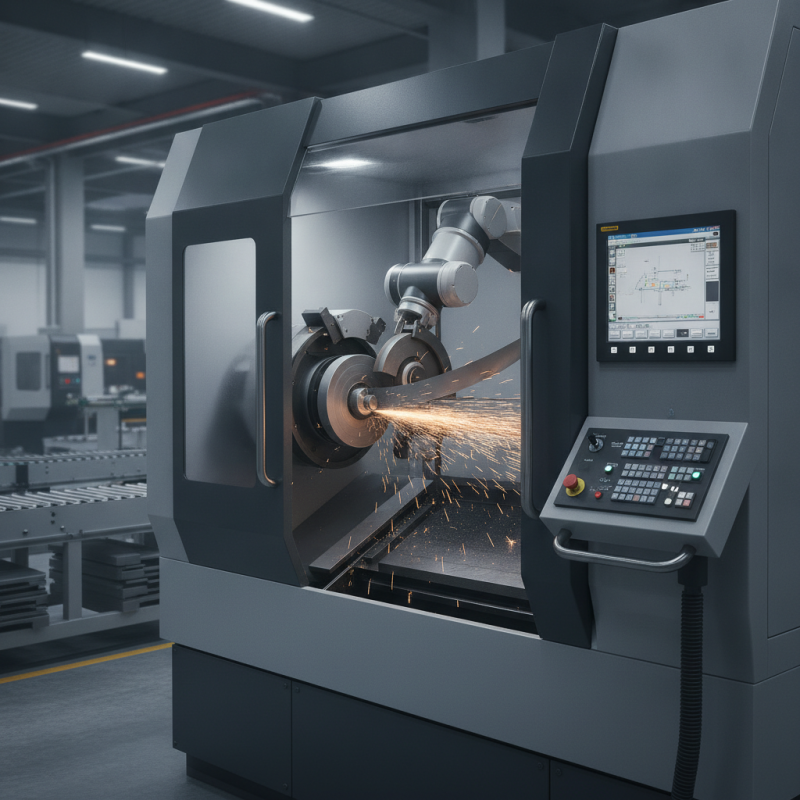
A CNC knife grinder is a specialized machine designed for the precise grinding of knives, blades, and cutting tools. CNC stands for Computer Numerical Control, which means the machine is operated by a computer program. This technology allows for high accuracy and uniformity in grinding processes. The grinder uses a rotating abrasive wheel to shape and sharpen the knife edges, ensuring optimal performance.
The operation of a CNC knife grinder is fairly intricate. First, the knife is securely mounted on the machine. Then, the CNC software calculates the best path for the grinding wheel. The wheel moves along the knife edges, removing material as needed. This method not only improves efficiency but also minimizes human error. However, incorrect programming can lead to undesirable results, such as uneven edges or even damage to the blade.
While CNC knife grinders have revolutionized the sharpening process, they are not without challenges. The initial setup can be time-consuming, particularly for unique blade shapes. Operators need sufficient expertise to program the machine accurately. Moreover, regular maintenance is crucial to ensure consistent performance. Any neglect can lead to subpar results, ultimately affecting the quality of the knives. This reflects the importance of skilled operators in achieving the best outcomes.
The Evolution of Knife Grinding Technology
The world of knife grinding has undergone significant transformations over time. Traditional methods relied on skilled craftsmen who manually sharpened knives using grinding wheels and stones. These practices required years of training. The outcomes varied greatly, as human error always played a role.
As technology advanced, so did grinding techniques. The introduction of CNC knife grinders revolutionized the industry. These machines offer precision and consistency. However, they are not without their challenges. The initial setup can be complex. Operators must be skilled in programming and operating the equipment. Even minor errors in setup can lead to poor results.
Innovations continue to emerge. Today's machines incorporate automation and advanced materials for better performance. Yet, the fundamental principle remains the same: precision is vital in knife production. Craftsmanship still holds value, as it complements the technological advancements.
Balancing technology with human skill is key to achieving perfect edges. The future promises even more developments. As we evolve, the interaction between man and machine will define the next stage of knife grinding.
Key Components of a CNC Knife Grinder
A CNC knife grinder is an advanced machine used in the manufacturing process of sharpening blades. It employs precise technology to enhance cutting edges. The key components of a CNC knife grinder play a crucial role in its operation and efficiency. These components include the motor, control system, grinding wheel, and work table.
The motor provides the necessary power to drive the grinding wheel, which is essential for achieving the desired cutting edge. A high-quality motor ensures stability during grinding. The control system is another vital part. It allows users to input specific parameters. This capability ensures consistent results, yet it requires regular updates and maintenance. Users may face challenges in mastering the software, which can slow down production.
The grinding wheel itself varies in material and size, impacting the sharpness and finish of the knife. Selecting the wrong wheel can lead to ineffective sharpening, prompting reconsideration of choices. Lastly, the work table must be correctly calibrated. An improperly aligned work table can result in uneven sharpening. This detail often goes unnoticed but is crucial to maintaining blade quality. Attention to these components leads to better performance of CNC knife grinders.
How CNC Knife Grinders Operate: A Step-by-Step Guide
CNC knife grinders are essential tools in the manufacturing sector. They automate the process of sharpening and shaping knives with precision. These machines employ computer numerical control technology, which allows for intricate designs and angles to be programmed and executed consistently. According to a report by MarketsandMarkets, the CNC machining industry is expected to reach $95.2 billion by 2026, highlighting the critical role of automation in modern manufacturing.
The operation of CNC knife grinders involves several key steps. Initially, a design is created using CAD software. This design is then translated into a series of commands that guide the grinder. The machine uses high-speed rotating wheels to sharpen blades according to the specified angles. Operators must monitor the process closely. Any minor errors in setup can lead to significant flaws in the knife edge. Precision matters; even a difference of a few degrees can affect cutting performance.
In addition, the material used in blade manufacturing influences grinding processes. Harder materials require different grinding wheels and techniques to achieve optimal results. Operators must also consider the wear and tear on equipment. Regular maintenance of CNC machines is critical to ensure ongoing precision. According to industry standards, proper upkeep can improve lifespan by 30%. Operators need to stay informed about these factors to make informed decisions.
Benefits of Using CNC Knife Grinders in Modern Manufacturing
CNC knife grinders represent a significant advancement in modern manufacturing. They automate the grinding process, ensuring precision and consistency. This technology allows manufacturers to produce sharp knives with uniform edges. A well-maintained CNC grinder can enhance productivity while minimizing human error. Operators can set specific parameters, leading to improved efficiency.
The benefits of using CNC knife grinders are numerous. Firstly, these machines save time. They can complete grinding tasks much faster than manual methods. This speed increases overall output, which is essential in high-demand environments. Additionally, the quality of the finished product improves dramatically. Uniform edge profiles reduce wear and tear, resulting in longer knife life.
However, transitioning to CNC grinders isn’t without challenges. Initial investment costs can be high. Training staff to operate new equipment is necessary, often requiring time. It's crucial for manufacturers to weigh these factors carefully. Adopting this technology can lead to better results but demands serious consideration. Balancing costs with the potential benefits shapes future decision-making in the industry.
What is a CNC Knife Grinder and How Does It Work? - Benefits of Using CNC Knife Grinders in Modern Manufacturing
| Feature | Description | Benefits |
| Precision Grinding | Utilizes computer-controlled movements for high accuracy. | Ensures consistent quality and reduces waste. |
| Automation | Minimizes human intervention in the grinding process. | Increases efficiency and reduces production time. |
| Versatility | Can work with various knife types and materials. | Adaptable to different manufacturing needs. |
| User-Friendly Interface | Often equipped with intuitive controls for ease of use. | Lowers the learning curve for operators. |
| Reduced Maintenance | CNC machines generally require less manual maintenance. | Saves time and cost in upkeep. |