How to Choose the Right Chemical Storage Cabinet?
Choosing the right Chemical Storage Cabinet is more than comparing prices, colors, or shelf counts. It is a practical safety decision made around real materials, real workers, and real rooms.
A reliable choice begins with chemical compatibility. Acids, bases, oxidizers, flammable liquids, and toxic substances may require different storage solutions. A cabinet designed for solvents may not suit corrosive chemicals. Check the safety data sheets before selecting any model. Look for suitable construction, adjustable shelves, leak-control trays, secure doors, clear labels, and a load rating that matches daily use. A cabinet should also fit the workspace without blocking walkways, emergency equipment, or ventilation routes.
Details matter.
Process-safety expert Trevor Kletz once warned, “If you think safety is expensive, try ignorance.” His point remains relevant when a low-cost cabinet creates confusion, spills, or incompatible storage. Experienced safety teams inspect hinge strength, door alignment, shelf corrosion, and the condition of seals. They also consider who will use the cabinet during a rushed shift. That human factor is easy to overlook.
No cabinet can correct poor organization. I have seen storage plans fail because labels faded, shelves became crowded, or containers were returned carelessly. The better approach combines a suitable Chemical Storage Cabinet with staff training, routine inspections, inventory control, and documented procedures. Confirm current workplace requirements with qualified safety professionals and local authorities. The perfect cabinet may not exist, but a thoughtful, evidence-based choice can reduce preventable risk.
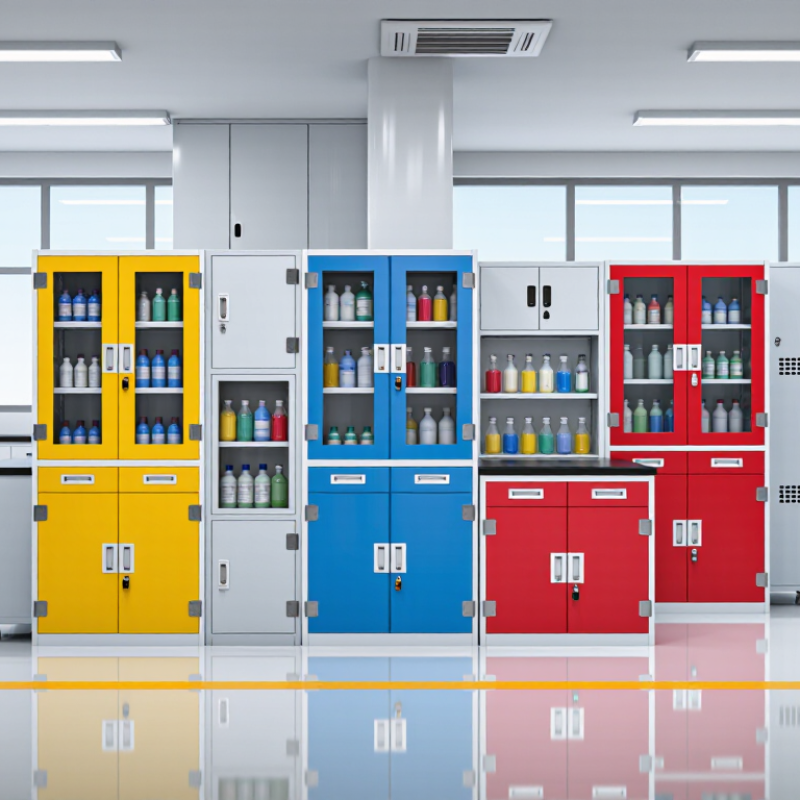
Define the Chemicals, Hazards, and Storage Requirements
How to Choose the Right Chemical Storage Cabinet?
Choosing a chemical storage cabinet begins with identifying every substance, not just counting containers. Read each Safety Data Sheet and record the chemical name, concentration, physical form, and maximum quantity. Note whether it is flammable, corrosive, toxic, oxidizing, reactive, or sensitive to moisture. Do not rely on container color or memory. Labels can fade, and assumptions can become dangerous.
Compatibility matters more than appearance. Acids should not share space with bases, while oxidizers require separation from fuels and other reactive materials. Some chemicals need corrosion-resistant shelving, sealed spill trays, or controlled temperature. Check the cabinet’s construction, load rating, door design, and ventilation requirements. A cabinet placed beside a heater may fail its purpose. Location matters.
Think about daily use. Workers need clear labels, stable shelves, and enough room to remove containers without knocking others over. Keep incompatible groups physically separated, and maintain an updated inventory near the storage area. Inspect for rust, damaged seals, leaking caps, or cracked containers. This step is easy to rush. It should not be. Storage decisions sometimes expose gaps in training, emergency planning, or waste handling. Recheck the arrangement when quantities, processes, or chemical formulations change.
How to Choose the Right Chemical Storage Cabinet
Define the chemicals, hazards, and storage requirements
Flash point is one key indicator when assessing fire hazards: lower values mean vapors can ignite at lower temperatures. These approximate values can vary by product and test method. Check each chemical’s Safety Data Sheet (SDS) and applicable regulations; segregate incompatible materials, such as flammables and oxidizers, and choose cabinet construction and ventilation according to the specific hazards.
Choose the Cabinet Type, Material, and Capacity
Choosing a chemical storage cabinet starts with the hazard, not the color or price. Read every safety data sheet before selecting a cabinet type. Flammable liquids generally require a tested fire-resistant cabinet with self-closing doors. Corrosive chemicals need compatible, corrosion-resistant construction and spill protection. Do not mix incompatible chemicals. NFPA 30 offers widely used guidance for flammable-liquid storage, including cabinet construction and storage practices. However, the standard does not replace a site-specific hazard assessment. Material compatibility still needs careful review. Polyethylene can resist many corrosives, while steel may offer stronger structural protection. Neither material is suitable for every chemical.
Capacity is more than the advertised cabinet volume. Count containers, measure their actual sizes, and allow space for secondary containment. Shelves must support the load without bending. Leave working room for labels and inspections. The U.S. Environmental Protection Agency’s 2022 Toxics Release Inventory National Analysis recorded 88.5 billion pounds of production-related chemical waste managed by reporting facilities. That figure does not determine cabinet size, but it shows why disciplined storage planning matters. A larger cabinet is not automatically safer. Overcrowding can hide leaks and block access. A cabinet can look professional and still be poorly planned. Check door alignment, shelf condition, grounding needs, and ventilation requirements during routine inspections. Small details matter. Reconsider the selection whenever chemicals, container sizes, or work processes change.
Check Safety Features, Standards, and Ventilation Needs
Choosing the right chemical storage cabinet starts with the hazards, not the cabinet color. Read each product’s Safety Data Sheet before making a decision. It identifies flammability, corrosivity, toxicity, and storage incompatibilities. A cabinet should separate acids from bases and oxidizers from combustible materials. Keep containers upright, sealed, and clearly labeled. Small details matter.
Inspect the safety features closely. Look for strong shelves, spill containment, self-closing doors, and secure latches. Adjustable shelves help prevent unstable stacking. A raised threshold can contain leaks before they reach the floor. For flammable liquids, select a cabinet tested against recognized fire-resistance standards. Requirements differ by location, so confirm the current rules with a qualified safety professional. Do not rely on a familiar design alone.
Ventilation needs careful judgment. Venting every cabinet may increase risk, especially when it allows vapors to spread through a building. Many flammable-liquid cabinets are not routinely connected to exhaust systems. Corrosive chemical cabinets may require controlled ventilation when fumes create a workplace hazard. Follow the SDS, cabinet instructions, and professional industrial-hygiene advice. Never connect ductwork casually. I once assumed “more airflow” always meant safer storage; that assumption was too simple. Check airflow direction, exhaust discharge, and maintenance access. A cabinet can look organized while still creating an invisible exposure problem. Regular inspections should examine corrosion, damaged seals, blocked vents, and expired labels. Age matters.
Establish Safe Use, Inspection, and Maintenance Procedures
Safe cabinet use starts with matching the cabinet to the chemicals stored inside. Check the safety data sheets and the cabinet manufacturer’s guidance for material compatibility, capacity, and any ventilation requirements. Keep incompatible substances separated, even when their containers look similar. Labels should face outward and remain readable. Small details matter.
Write down who may access the cabinet and how containers must be handled. Staff should close doors after each use, keep shelves within their load limits, and return containers upright with caps secure. Store only compatible materials inside; a cabinet is not extra workspace. Keep its route clear, and post spill-response instructions nearby. Train staff to report damaged containers promptly.
Inspect the cabinet on a regular schedule, and record what you find. Look for leaks, corrosion, cracked shelves, blocked vents where fitted, and doors that fail to latch. Check the floor and spill tray for residue, too. A checklist can feel repetitive; that is usually the point. Clean spills only with suitable procedures and protective equipment. Remove damaged equipment from service, and arrange qualified repairs rather than improvising. Review the routine after a near miss or a change in stored chemicals. The paperwork may lag behind real practice, so make time to update it.