How to Choose the Best Spy Camera Detector?
Choosing the best Spy Camera Detector starts with a clear understanding of your actual privacy needs. A hotel room, changing area, rental property, and office may require different inspection methods. No single device detects every hidden camera.
Security consultant Chris McGoey offers a useful reminder: “Look for evidence, not fear.” That principle matters. A reliable inspection should combine practical experience, technical knowledge, and calm judgment. It should not depend on dramatic claims printed on a product box.
Look closely.
A capable Spy Camera Detector may scan for radio-frequency signals, identify infrared reflections, or help locate unusual lens surfaces. These functions are different, and each has limitations. An optical detector may find a camera lens, while an RF scanner may notice wireless transmission. A wired camera might produce neither result. Some ordinary devices, including routers and smart speakers, can also create false alerts.
The best choice therefore depends on sensitivity controls, detection range, battery life, display clarity, and operating instructions. Test the device in a controlled environment before relying on it. Check whether the manufacturer explains calibration and known interference sources. Independent reviews can help, but they are not perfect.
This guide compares detector types, real-world usability, and common weaknesses. It also encourages a physical inspection of smoke alarms, USB chargers, clocks, vents, and unfamiliar fixtures. Respect privacy boundaries and local regulations during every inspection. Technology helps, but careful observation remains essential. Even experienced users can miss something. That is worth admitting.
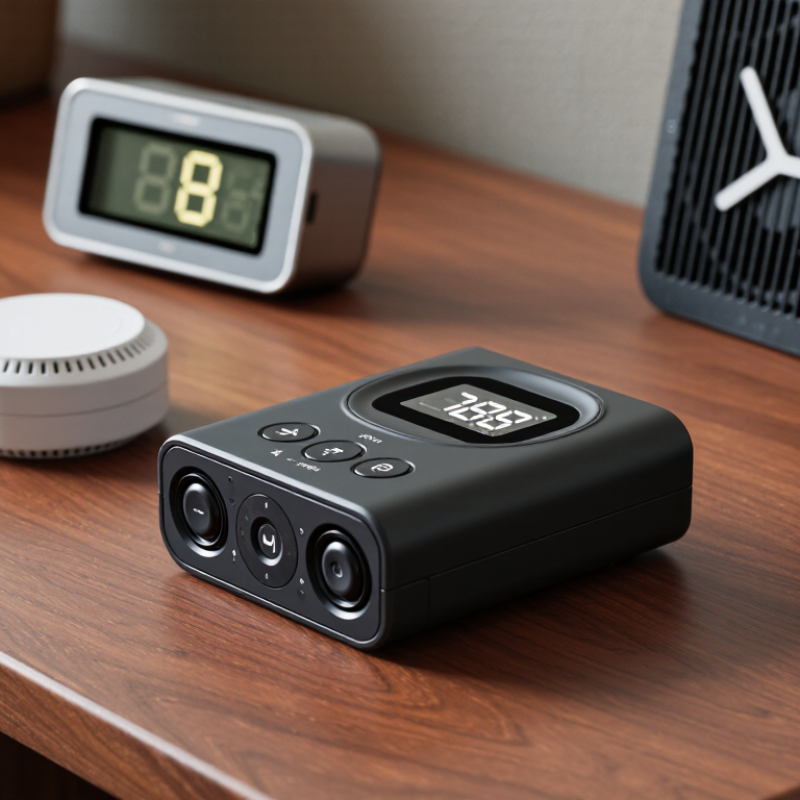
Understanding How Spy Camera Detectors Work
How to Choose the Best Spy Camera Detector?
Understanding How Spy Camera Detectors Work
A detector can use radio-frequency sensing, optical reflection, or both. Radio-frequency models look for signals from devices that transmit data. They may alert you to nearby wireless activity, but a phone or router can trigger similar warnings. A camera that stores footage locally may not transmit anything.
Optical detectors work differently. They help reveal the curved glass of a camera lens by reflecting light back toward the user. In a dim room, slowly sweep the detector across likely hiding places, such as smoke alarms, small openings, and objects facing a bed or desk. Watch for a tiny, sharp glint. Take your time.
Each method has limits. Dust, glossy surfaces, and awkward viewing angles can create false clues or hide a lens. A detector is not proof that a camera is present, and a quiet reading does not guarantee a space is clear. I would check suspicious objects from more than one angle, then seek qualified help if concerns remain. No device is perfect. That can be frustrating, but understanding what it senses makes its results easier to judge.
Identifying Your Detection Needs and Search Environment
Choosing the best spy camera detector starts with your detection needs, not its feature list. A hotel room, rental apartment, and office require different search methods. In a quiet bedroom, lens reflection checks may help. Near Wi-Fi routers, televisions, and smart speakers, radio-frequency readings can become noisy. This is where many buyers overestimate a detector’s accuracy.
Pew Research Center reported in 2023 that 81% of Americans believe the risks of companies collecting personal data outweigh the benefits. Privacy concerns are measurable, but detection is not always simple. NIST SP 800-115 recommends structured testing, clear boundaries, and documented results. Apply that discipline here. Decide whether you need RF detection, lens detection, magnetic-field sensing, or several methods. A detector with adjustable sensitivity is useful, though it may still produce false alerts. I have seen ordinary chargers trigger concern.
Tips: Map the room before scanning. Turn off devices you control. Check smoke alarms, clocks, vents, mirrors, and unusual adapters. Test your detector against a known wireless signal, then repeat the scan from different angles. Do not rely on one reading.
The environment shapes the search. Concrete walls may weaken signals, while crowded buildings create interference. Bright light can reduce lens-reflection contrast. A basic detector may work in a small room but perform poorly in a busy office. The 2024 IBM Cost of a Data Breach Report placed the global average breach cost at 4.88 million dollars, showing why privacy controls deserve careful attention. Still, a detector cannot prove intent or identify every device. Document unusual findings, avoid tampering, and seek qualified, lawful assistance when needed.
How to Choose the Best Spy Camera Detector?
Identifying Your Detection Needs and Search Environment
Compare a detector’s supported frequency range with the bands used by wireless devices in your region. Wi-Fi and Bluetooth share the 2.4 GHz band, while 5 GHz Wi-Fi uses region-dependent frequencies. RF detection can help locate transmitting devices, but it may not find a powered-off, wired, or locally recording camera.
Comparing Detection Methods and Their Limitations
How to Choose the Best Spy Camera Detector?
Comparing detection methods matters more than choosing the most expensive device. Radio-frequency detectors scan for wireless signals from active cameras or transmitters. They can work quickly in a hotel room or rental property. However, phones, routers, and smart appliances may create false alerts. A crowded signal environment can make results confusing. Lower sensitivity may miss a weak signal, while higher sensitivity may produce constant warnings.
Lens detection uses bright LEDs to reveal reflections from a camera lens. In a dark room, a small glass point may shine clearly. This method is affordable and useful for visual checks. It cannot reliably find covered, inactive, or poorly positioned lenses. Thermal scanning may reveal heat from powered electronics, but sunlight, ventilation, and warm furniture can distort the image. Physical inspection still matters. Check smoke alarms, chargers, air vents, mirrors, and unusual gaps without damaging property.
No detector is perfect. A careful user should compare two methods and inspect the surrounding area calmly. Keep wireless devices away during an RF test when possible. Record unusual findings instead of touching unknown equipment. Professional testing may use calibrated instruments and documented procedures, especially in sensitive workplaces. Yet even trained users can overlook a hidden angle or misread a reflection. That limitation deserves honesty. Detection tools support judgment; they do not replace it. Use them only during lawful, authorized privacy checks.
Checking Reliability, Support, and Legal Considerations
How to Choose the Best Spy Camera Detector?
Reliability should be tested before trusting any detector in a private space. Look for clear sensitivity ranges, stable readings, and instructions that explain limitations. A device should detect common wireless signals, infrared reflections, or unusual lens surfaces without creating constant false alarms. Signal.
During a room check, test the detector near known electronics and an empty wall. This comparison helps reveal whether the readings are meaningful. Battery life also matters, especially in hotels, changing areas, or rented apartments. Poor batteries can weaken results at the worst moment. No detector is perfect. I would not rely on one scan, because furniture, thick walls, and nearby networks can confuse the results. A second inspection method is sensible, even when time feels limited.
Customer support shows whether a supplier stands behind its technical claims. Choose a provider offering readable manuals, software updates, responsive assistance, and a clear return policy. Support should explain normal interference instead of promising impossible certainty. Legal considerations deserve equal attention. Use a detector only to protect your own privacy or a space you are authorized to inspect. Do not enter restricted areas or record other people without proper consent. Privacy rules vary by location, building type, and personal circumstances. When uncertain, ask a qualified local legal professional. That step may feel excessive, but a reliable tool cannot replace lawful judgment.