How to Choose the Best Injection Molding Machines for Your Needs?
In the world of manufacturing, selecting the right injection molding machines is crucial. Industry expert Dr. James Caldwell once stated, "The right choice in injection molding can make or break your production line." Understanding your specific needs is vital for success. Different projects require different capabilities.
When exploring injection molding machines, consider factors such as machine size, speed, and material compatibility. Each project may present unique challenges. For instance, a large-scale production run demands high efficiency, while a custom job requires versatility. Avoiding hasty decisions is necessary; the wrong machine can lead to delays and increased costs.
Engaging with experienced professionals can provide insights. However, it’s important to question standard recommendations and reflect on specific requirements. What worked for one company may not suit another. Thoughtful consideration of your manufacturing goals will lead to a more suitable choice.
Understanding Injection Molding: The Basics and Applications
Injection molding is a widely used manufacturing process that creates parts by injecting molten materials into a mold. This method is highly versatile, making it ideal for producing both simple and complex shapes. Industries like automotive, consumer goods, and electronics heavily rely on injection molding for their production needs.
Understanding the basic principles of injection molding helps businesses select the right equipment. Key factors include material types, mold designs, and production volumes. For instance, thermoplastics offer flexibility, while thermosets provide durability. Knowing the specifics of these materials is crucial for ensuring quality.
Tips for choosing the right injection molding machine: Consider the size and shape of the parts you intend to produce. This impacts mold design and machine requirements. Analyze your production volume; a higher output may require a larger machine with automated features. Always factor in the energy efficiency of machines, as it influences long-term operational costs.
Engaging with experts in the field can provide insights into optimizing your injection molding process. Seek advice on emerging technologies that enhance efficiency and quality. Don't overlook the importance of quality control measures; improperly molded parts can lead to wastage and increased costs.
Key Factors to Consider When Choosing Injection Molding Machines
Choosing the right injection molding machine is crucial for production quality and efficiency. Understanding your specific needs is the first step. Consider the material types you plan to use. Different materials require different temperatures and settings. Evaluate the machine's versatility to handle various designs and specifications.
When assessing injection molding machines, pay attention to the clamping force. This measurement affects how well the machine holds the mold in place. A mismatch can lead to defects in the final product. Additionally, check the machine’s cycle time. Shorter cycle times can increase productivity but may compromise product quality. Finding a balance is essential.
Consider energy efficiency as well. Older machines often consume more energy, leading to higher operational costs. A more energy-efficient model might have a higher upfront cost but can lead to significant savings in the long run. Also, don't overlook after-sales support and availability of spare parts. Responsive service can save time and money during machine maintenance. Always research and reflect on aspects that align with your production goals.
Types of Injection Molding Machines and Their Specific Uses
When selecting an injection molding machine, understanding the types available is crucial. There are several main categories, including hydraulic, electric, and hybrid machines. Hydraulic machines are often favored for their power. They can handle large, complex molds, making them ideal for automotive parts. Their efficiency in high-volume production is well-documented in industry reports, showing a market share exceeding 50% globally.
Electric machines, on the other hand, offer precision and energy efficiency. They are gaining traction, especially in the electronics and medical sectors. A report from the Plastics Industry Association indicates that electric machines are expected to see a growth rate of 6% annually over the next five years. Their ability to reduce cycle times and save energy is noteworthy. However, they may have limitations in terms of clamping force compared to hydraulic alternatives.
Hybrid machines combine the benefits of both types. They can be an excellent choice for companies looking for versatility. These machines are often more expensive upfront but can lead to long-term savings in operational costs. However, potential buyers should assess their specific production needs carefully. Balancing the initial investment against potential efficiency gains can be challenging. Understanding the demands of your production line will ultimately guide you in making the best decision.
How to Choose the Best Injection Molding Machines for Your Needs?
| Machine Type | Description | Common Applications | Clamping Force Range | Hopper Size |
| Electric Injection Molding Machines | Highly efficient, low energy consumption | Precision parts, automotive components | 20 - 300 tons | 5 - 50 liters |
| Hydraulic Injection Molding Machines | Powerful, suitable for large parts | Large automotive parts, industrial components | 50 - 3000 tons | 20 - 200 liters |
| Hybrid Injection Molding Machines | Combines advantages of electric and hydraulic | Consumer goods, intricate designs | 30 - 1800 tons | 10 - 100 liters |
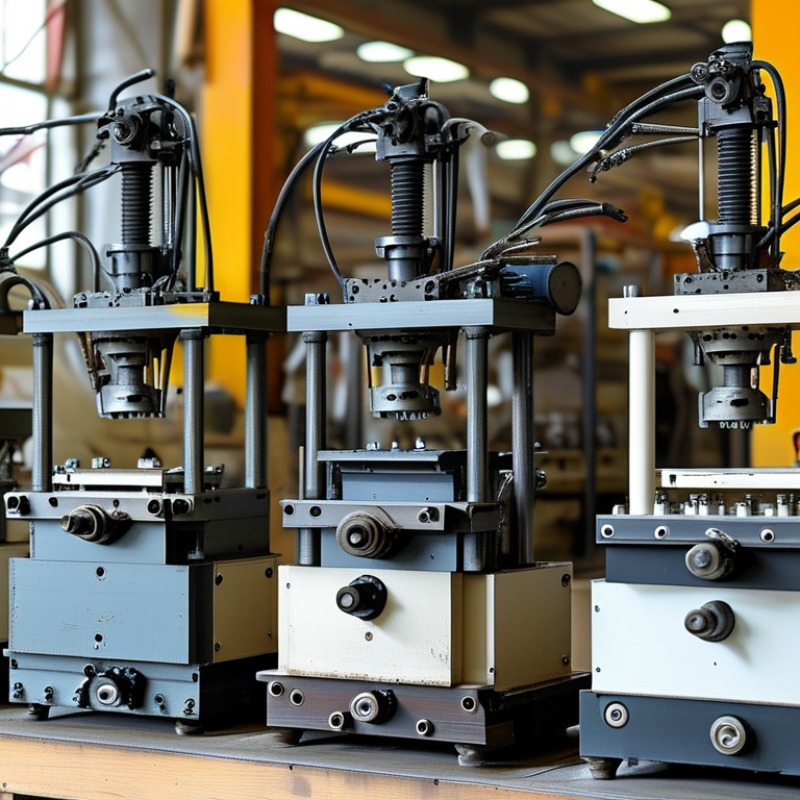
| Vertical Injection Molding Machines | Space-saving design, suitable for multi-component parts | Medical devices, small components | 10 - 100 tons | 2 - 20 liters |
Evaluating Machine Specifications: Capacity, Speed, and Precision
Selecting the right injection molding machine requires careful examination of its specifications. Capacity is a crucial factor. It determines the volume of plastic produced in a cycle. Machines with higher capacity can reduce production time and costs. However, choosing a machine that exceeds your needs may lead to inefficient use of resources. Balance is essential.
The speed of the machine directly impacts productivity. Machines that operate more quickly enable faster cycles, allowing for more parts to be produced. Yet, speed should not compromise precision. A misplaced measurement can result in defective products. Often, manufacturers overlook this aspect in pursuit of higher throughput.
Precision is key in injection molding. It affects the overall quality of the end product. High precision ensures accurate dimensions, which is vital for components requiring tight tolerances. It's not uncommon to encounter machines that seem fast but lack the precision needed for specific applications. Take time to assess whether the machine meets your quality standards, not just your speed or capacity needs. Balancing these specifications can be challenging but is critical for long-term success.
Injection Molding Machine Specifications Comparison
This chart compares different specifications of injection molding machines based on their capacity, speed, and precision. These metrics are critical for selecting the right machine for your manufacturing needs.
Budgeting and Cost Considerations for Injection Molding Machines
When considering budgeting for injection molding machines, it’s crucial to understand their total cost. This cost includes not just the purchase price but also ongoing expenses such as maintenance and energy consumption. Some machines might seem cheaper upfront, but they could lead to higher costs over time. Take time to evaluate all aspects of ownership.
Assessing the features you need can lead to better budgeting. Machines with specialized functions typically have higher price tags. If your production needs may change, opt for flexibility over features. It’s essential to balance initial investment with long-term operational efficiency.
Consider these factors when budgeting. Review maintenance costs and energy efficiency ratings. Ask manufacturers about the average lifespan of the machine to anticipate replacement costs. Remember, even minor savings on operational costs can add up over the years.