How to Choose the Best Concrete Batching Solutions for Your Needs?
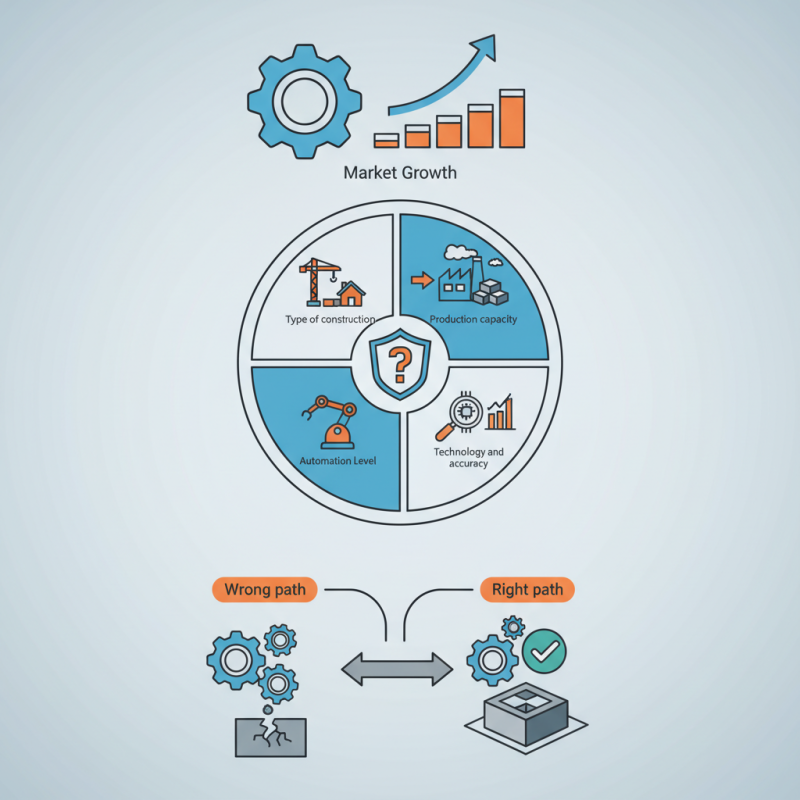
Choosing the right Concrete Batching solutions is critical for construction projects. Concrete batching is the process of combining various ingredients to produce concrete. According to a report by Research and Markets, the global concrete batching market is expected to reach $8.3 billion by 2027. This growth reflects the increasing demand for efficient and reliable concrete production.
When selecting a concrete batching solution, consider your specific project requirements. The type of construction, production capacity, and automation level are key factors. Many companies struggle with choosing the right equipment. Often, they underestimate the importance of quality and performance.
It's also essential to evaluate the technology behind concrete batching. Advanced batching systems can improve accuracy and reduce waste. Yet, not all suppliers offer the same level of expertise or support. Make informed decisions based on experience and proven data to avoid costly mistakes in your projects.
Factors to Consider When Choosing Concrete Batching Solutions
Choosing the right concrete batching solutions can be a daunting task. Various factors play a crucial role in finding the ideal system for your specific needs. Understanding these factors can lead to better productivity and cost-effectiveness.
One essential consideration is the capacity of the batching plant. Assess your project requirements. Will you need a large output, or a smaller, more modular system? Each option has its advantages. A larger plant often offers efficiency but may require significant investment. A smaller plant is more flexible but could limit scale.
Another factor is ease of use and integration. The technology should align with your existing processes. Training your team on new systems can be a challenge. A steep learning curve might delay your operations. Thus, selecting a user-friendly interface is beneficial.
Tips:
- Evaluate your specific volume needs for optimal plant capacity.
- Consider future scalability. This will help with long-term investments.
- Research additional features like automation and reporting capabilities to enhance efficiency.
Types of Concrete Batching Plants and Their Applications
When considering concrete batching solutions, it’s essential to understand the various types of plants available. There are two primary categories: stationary and mobile. Stationary plants are often used for large projects due to their impressive output capacity and durability. Reports indicate that stationary plants can produce up to 200 cubic meters of concrete per hour, making them ideal for major construction sites. However, their setup time and fixed location can be limitations for smaller projects.
Mobile concrete batching plants offer flexibility and ease of transportation. These plants are designed to be set up quickly, often within one day. They support projects where location changes frequently or those requiring lower output. According to industry data, mobile plants can produce around 20 to 100 cubic meters per hour. Yet, there might be challenges in maintaining quality consistency.
Another significant type is the central mixing plant. This system merges materials in a controlled environment, ensuring high-quality mixes. These plants are essential for demanding applications, such as precast concrete production. However, the operational complexity can be a drawback. It's crucial to evaluate the specific project needs carefully before selecting a batching plant type. Recognizing the pros and cons will aid in making informed decisions, ultimately affecting project success.
Concrete Batching Plants Capacity Comparison
This bar chart illustrates the capacity comparison of different types of concrete batching plants in cubic meters per hour (m³/h). Each type serves distinct applications in construction projects, highlighting their versatility in meeting varying production demands.
Evaluating Production Capacity and Efficiency Requirements
When evaluating production capacity and efficiency requirements for concrete batching solutions, several factors come into play. Understanding your specific needs is crucial. A facility producing a high volume of concrete will require a batching plant with larger mixers and higher output rates. In contrast, a smaller operation may not need such extensive machinery and can benefit from compact models. Assess your daily output needs carefully.
Next, consider the mixing technology used. Different technologies provide varying degrees of efficiency in production. Traditional drum mixers may suffice for smaller projects, while ready-mix solutions can significantly enhance output for larger operations. However, newer technologies often come with a steep learning curve, which can impact initial productivity. Balancing the cost of innovative mixers against their long-term efficiency potential is essential. Reflection on your budget and skill level is necessary to make the right choice.
Lastly, don’t overlook maintenance requirements. A more complex batching system may promise higher efficiency but could result in increased downtime for servicing. It’s wise to weigh potential gains against the costs of operation and repair. Regular maintenance can prolong machine life, but it requires a dedicated team. Be prepared for both expected and unexpected challenges in this area, as they can greatly affect overall productivity.
Budget Considerations: Cost vs. Features of Batching Solutions
When choosing concrete batching solutions, budget plays a crucial role. It's essential to weigh the cost against the features each solution offers. A low-priced machine may lack durability or advanced technology. On the other hand, a high-end model might offer features you don’t need. Striking a balance is key.
Consider your specific needs. A small construction project may not require the same capacity as a large-scale operation. Investing in capacity you won’t use can be wasteful. Additionally, maintainability is another important aspect. Cheaper solutions might incur costs through higher maintenance needs. Opt for flexibility in design and performance.
Reflect on the long-term impact of your decision. Can you upgrade your chosen solution later? If not, you might find yourself making another purchase sooner than planned. Think about training and support as well. Even the best equipment needs knowledgeable operators. Balancing cost, features, and future needs will ultimately lead to a wiser investment.
Maintenance and Support: Long-term Considerations for Batching Systems
When selecting a concrete batching system, long-term maintenance and support are crucial. Regular maintenance helps prevent breakdowns and extends the equipment's lifespan. A comprehensive maintenance plan should include routine checks, parts replacement, and software updates. Operators must understand the importance of timely interventions to avoid costly downtimes. The consequences of neglecting maintenance can lead to reduced productivity and excess wear.
Support services provided by the manufacturers are equally important. Consider how quickly they can respond to issues. A reliable support system can make a difference when problems arise. Access to technical assistance and training for staff ensures optimal operation of the batching system. Businesses should evaluate available support options carefully before making a purchase. A lack of support can leave operators frustrated and unsure during critical times.
Engaging with experienced professionals can enhance decision-making. Seek advice from those who have faced similar challenges. Their insights can provide valuable perspectives. However, not every solution will fit every need. Reflecting on past experiences will help identify what works best for your operations. Prioritizing maintenance and support leads to better outcomes in the long run.