Why Choose an Indexable Mill for Your Metalworking Needs?
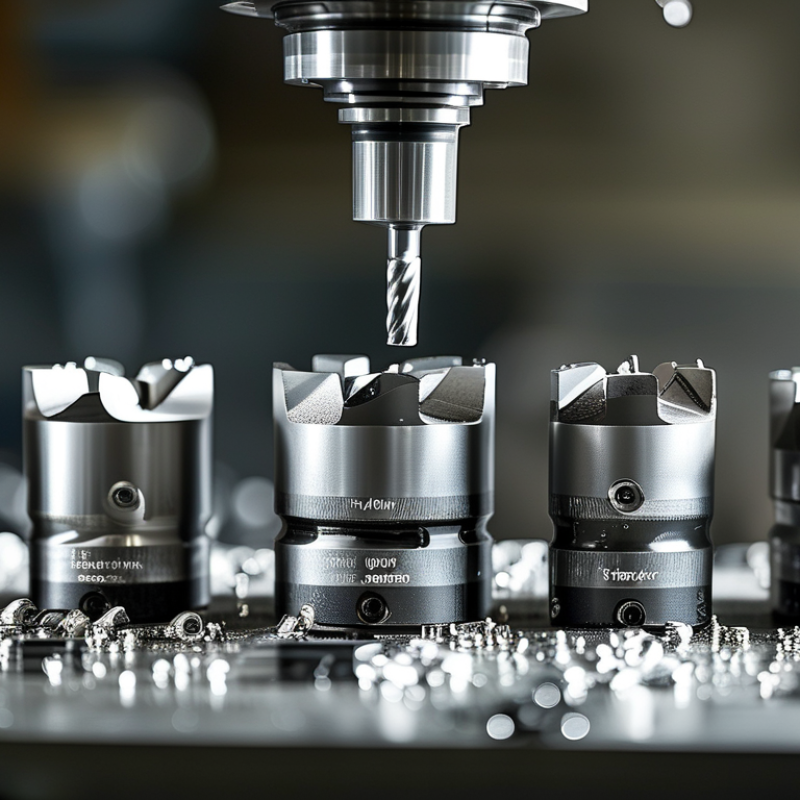
In the world of metalworking, choosing the right tools is crucial. An Indexable Mill stands out for various compelling reasons. It offers efficient cutting performance and versatility. These tools can handle a variety of materials, making them ideal for different projects.
Many metalworkers appreciate the cost-effectiveness of Indexable Mills. The replaceable inserts reduce overall tool costs. It’s a smart investment for businesses looking to enhance productivity. Moreover, the ease of changing inserts saves time and minimizes downtime. This means less waiting and more doing.
However, selecting an Indexable Mill requires careful consideration. Not all models are created equal. Factors like insert geometry and coating can significantly impact performance. Understanding these elements is key to achieving the best results. This exploration into Indexable Mills will shed light on why they are a vital asset in modern metalworking.
Benefits of Using Indexable Mills in Metalworking Applications
Indexable mills are gaining popularity in metalworking for several compelling reasons. These tools allow for quick carbide insert changes, which enhances productivity. Instead of replacing the entire tool, you can simply switch out the insert. This saves both time and cost. The versatility of indexable mills is impressive. They can handle various materials, from aluminum to hardened steel, with ease.
Tips: Ensure you select the right insert for your material. The wrong choice can hinder performance. Always keep a selection of inserts on hand for different applications.
Another notable benefit is the improved surface finish. Indexable mills cater to tight tolerances and complex geometries. This precision is essential for many industries, including aerospace and automotive. Adjusting the cutting edge is straightforward, and this feature boosts reliability in operations.
Tips: Regularly inspect your inserts for wear. Dull inserts can lead to poor finishes and increased tool wear. Stay proactive in maintenance to maximize efficiency.
Indeed, while indexable mills streamline processes, they do require a learning curve. Operators must understand feed rates and cutting parameters. Experimentation may be needed. Balancing speed and quality is vital for achieving optimal results.
Comparison of Indexable Mills vs. Solid Tooling in Machining Efficiency
When comparing indexable mills and solid tooling, efficiency plays a crucial role. Indexable mills offer quick changeovers for various inserts. This flexibility allows for rapid adjustments to meet different material specifications. Machinists can switch inserts to suit diverse tasks without replacing the entire tool. Such versatility boosts productivity on the shop floor.
In contrast, solid tooling often requires extensive setups. Each change increases downtime, impacting overall efficiency. While solid tools may excel in specific applications, their lack of adaptability can hinder performance in dynamic environments. Machinists frequently face challenges when dealing with wear and tear. Over time, solid tools lose their edge, needing resharpening or replacement.
Despite the advantages of indexable mills, there are considerations to address. Insert costs may accumulate, particularly with frequent replacements. Moreover, finding the right inserts requires research and testing. Operators need to stay informed about material interactions and cutting parameters. Knowledge of tooling specifications becomes essential to maximize performance.
Cost-Effectiveness: Analyzing Long-Term Savings with Indexable Milling
Indexable milling tools are gaining traction in metalworking industries, largely due to their cost-effectiveness. These tools feature replaceable cutting inserts. This allows for a quick exchange when wear occurs, minimizing downtime. Manufacturers can save on continuous purchasing, as insert replacement often costs less than a new tool. The investment also results in better machining efficiency over time.
Moreover, indexable mills often provide enhanced performance. Users report smoother finishes and higher precision. This helps reduce the need for secondary operations, ultimately saving labor costs. Regular maintenance of indexable tools can extend their lifespan, contributing to long-term savings. However, not every operation benefits equally from indexable milling. Certain materials and cutting strategies may still favor traditional tools.
Balancing the choice between indexable and conventional options can be challenging. Each machining scenario demands thoughtful consideration of costs and effectiveness. This reflection is crucial for companies aiming to optimize their metalworking processes. Over time, a well-chosen indexable mill may become an indispensable asset for improving production efficiency.
Industry Trends: The Rise of Indexable Milling in Manufacturing Sectors
In recent years, indexable milling has gained significant traction in various manufacturing sectors. Reports indicate that the global indexable mill market is expected to reach $6 billion by 2028, reflecting a compound annual growth rate (CAGR) of 7% from 2021. This growth highlights the increasing demand for efficient metalworking solutions that can provide precision and flexibility.
Industry professionals have noted several advantages of indexable milling that contribute to its rising popularity. For one, the replaceable inserts allow for quick changes and reduced downtime. This capability is essential in high-volume production environments. Additionally, the adaptability of indexable mills makes them suitable for a range of materials, from soft metals to harder alloys. A recent survey revealed that 70% of manufacturers are incorporating indexable milling systems to enhance productivity.
However, challenges still exist. Some users report difficulties in insert selection, which can lead to suboptimal performance. Consistent training and investment in technology are crucial for overcoming these hurdles. Industry experts suggest that long-term success in implementing indexable milling requires a balanced approach between machine capability and operator skill sets. This dynamic relationship underscores the importance of continuous learning in maximizing the benefits of innovative milling technologies.
Performance Metrics: Productivity Gains from Indexable Milling Solutions
Indexable milling solutions have transformed the metalworking landscape. Studies show that these tools increase productivity significantly. In fact, shops can achieve up to 30% greater efficiency when switching to indexable mills. This improvement stems from their design, which allows for quick tool changes and adjustments. The result is less downtime and more machining time.
A report from an industry analyst reveals that manufacturers experienced a 20% reduction in production costs after implementing indexable milling technology. This cost reduction can be attributed to not only the increased speed but also the longer tool life. High-quality indexable inserts can last several times longer than traditional cutting tools, leading to fewer replacements. However, shops must also account for the initial investment in these tools.
Some organizations struggle with the learning curve associated with indexable milling. Training staff effectively is crucial. Not every operator may adapt quickly. Ensuring they know how to use these tools can make or break productivity gains. It’s essential to strike a balance between innovation and training. The continuous improvement mindset is key to harnessing the full potential of indexable milling solutions.