What is a Bent-axis Motor and How Does it Work?
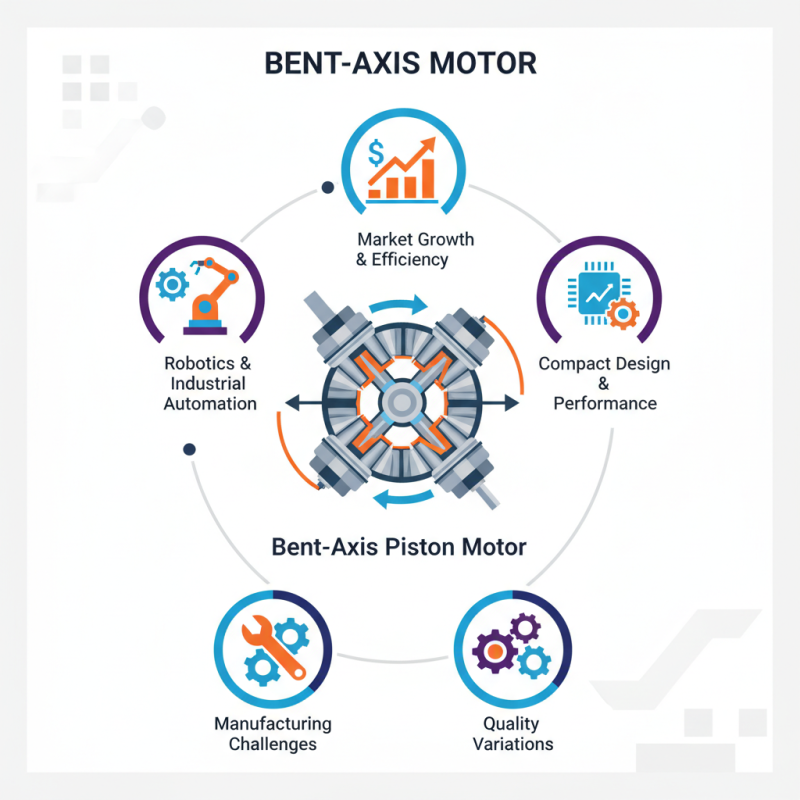
The Bent-axis Motor is a crucial innovation in modern engineering. It has gained traction in various sectors, particularly in robotics and industrial automation. According to a recent report by Technavio, the global market for Bent-axis Motors is expected to grow significantly, reaching USD 1.2 billion by 2025. This growth is driven by the motor's efficiency and high power-to-weight ratio.
Dr. Emily Zhang, a leading expert in motor technology, states, "Bent-axis Motors offer unique advantages in terms of compact design and performance." The design allows for improved energy transfer, making it a popular choice among manufacturers. Despite their advantages, these motors are not without challenges. Issues such as cost and complexity in manufacturing need to be addressed for wider adoption.
Additionally, the variations in quality among manufacturers can impact performance. Not all Bent-axis Motors provide the same efficiency or reliability. Industry professionals must remain critical of their choices when selecting motors for specific applications. Understanding the nuances of Bent-axis technology is essential for maximizing performance and minimizing costs.
Definition and Basic Principles of Bent-axis Motors
A bent-axis motor is a unique type of hydraulic motor. It utilizes a bent shaft to convert hydraulic energy into mechanical motion. This design allows for efficient energy transfer and high torque output. The angle of the shaft creates a variable displacement mechanism. As a result, it responds dynamically to changes in hydraulic pressure.
The core principle behind bent-axis motors lies in their innovative geometry. The motor features a cylinder block with pistons arranged around a central shaft. As hydraulic fluid flows into the motor, it pushes the pistons. This action causes the bent shaft to rotate, generating motion. The design ensures smooth operation and consistent performance. However, achieving optimal efficiency can be tricky. Variations in fluid quality can affect performance. For instance, air bubbles in the fluid can lead to a loss of power, prompting designers to consider improvements.
Maintenance plays a crucial role in the lifespan of a bent-axis motor. Regular checks can prevent wear and tear. Users often overlook minor leaks, which can escalate into larger issues. Ensuring a clean hydraulic circuit is vital. Filters should be checked frequently to avoid contamination. Despite the challenges, the advantages of bent-axis motors are undeniable. They offer compact sizes and robust power in numerous applications.
What is a Bent-axis Motor and How Does it Work? - Definition and Basic Principles of Bent-axis Motors
| Parameter | Description | Typical Values |
| Motor Type | A motor that converts hydraulic energy to mechanical energy using a bent-axis arrangement. | Bent-axis hydraulic motor |
| Working Principle | Utilizes the angle of the drive shaft to create a unique flow path for fluid, allowing for effective torque generation. | Variable torque output |
| Efficiency | The ratio of output power to input power, indicating energy loss during operation. | 85% - 95% |
| Common Applications | Used in heavy machinery, mobile equipment, and industrial applications where high torque is required. | Excavators, forklifts, presses |
| Advantages | High efficiency, compact design, and ability to provide high torque at low speeds. | Space-saving, effective in low-speed applications |
| Maintenance | Regular checks on hydraulic fluid levels and seals to ensure optimal performance and prevent leaks. | Annual service recommended |
Components Involved in Bent-axis Motor Design
The design of a bent-axis motor includes several key components. At its core, the motor features an eccentric shaft. This shaft is crucial as it creates the rotation needed for operation. The angle of the shaft can influence efficiency, making design precision essential.
Another important component is the cylinder block. It houses pistons that convert linear motion into rotary motion. The arrangement of these pistons must accommodate the angle of the shaft effectively. This setup allows the bent-axis motor to deliver a high power-to-weight ratio.
Tips: When designing, consider material selection carefully. Lightweight materials improve functionality. Also, look at the sealing system. Effective seals prevent leaks and ensure longevity. Don't overlook the impact of vibration. It's often a neglected factor that can affect performance. Testing various configurations can lead to unexpected improvements.
Operational Mechanism: How Bent-axis Motors Generate Torque
Bent-axis motors are a distinctive type of hydraulic motor. They utilize an angled drive shaft to create rotational motion. This design allows for efficient torque generation. These motors are popular in applications needing high power density. Reports suggest that their efficiency can reach up to 95%, making them an attractive choice.
The operational mechanism relies on the angle of the drive shaft. When fluid enters the motor, it acts on the angled piston. This interaction creates torque, rotating the output shaft. The geometry of the setup facilitates high force generation with minimal energy loss. Research indicates that bent-axis motors can generate torque levels between 500 Nm and 1,200 Nm, depending on the design and application.
However, challenges exist. Wear and tear can affect efficiency over time. Maintenance is crucial, yet often overlooked. Some users may not realize the need for regular check-ups. This oversight can lead to performance drops. Awareness of these factors is essential for optimal motor operation. Understanding the bent-axis motor’s unique workings can lead to better applications in various industries.
Bent-axis Motor Torque Generation
Performance Characteristics and Efficiency of Bent-axis Motors
Bent-axis motors showcase a unique design that enhances performance in various applications. Their structural arrangement allows for efficient power transmission and reliable operation. This type of motor is prominent in hydraulic and automotive industries.
Performance characteristics of bent-axis motors include high torque and compact size. They can operate at high pressures. Efficiency is critical here. A well-designed bent-axis motor can achieve efficiency rates above 90%. However, not all designs meet this standard. Proper attention to detail during manufacturing is a must.
Tip: Always consider the operational environment when selecting a bent-axis motor. Factors like temperature and vibration can impact performance.
Maintenance is often overlooked. Periodic checks can prevent efficiency drop. It’s essential to ensure lubricants are in good condition. Contaminated fluids can lead to wear.
Tip: Regularly replace filters to maintain optimal performance. Simple actions can save costs in the long run.
Applications and Industries Utilizing Bent-axis Motors
Bent-axis motors are increasingly popular across various industries due to their unique design and functionality. They are widely used in mobile machinery, such as construction equipment and agricultural vehicles. These motors provide high power density and efficiency, making them suitable for demanding applications. They can easily handle varying loads, which is essential in fluctuating working conditions.
In manufacturing, bent-axis motors find their place in hydraulic systems. They enable precise control and smooth operation of machinery. The flexibility of these motors allows for customization based on specific needs. Industries appreciate how they can improve overall system performance. However, the complexity of installation and maintenance can pose challenges. Users often need to invest time in training to realize their full potential.
Transportation also benefits from bent-axis motors. They are found in electric and hybrid vehicles, enhancing their operational efficiency. While these motors have advantages, relying solely on them can be risky. Overlooking alternative technologies might limit innovation. Balancing these factors is crucial as industries navigate towards more sustainable practices.