2026 Best Radiation Resistant Stepper Motor Suppliers
Choosing the right supplier matters when equipment must operate near ionizing radiation, vacuum chambers, or nuclear research systems. This guide to the 2026 Best Radiation Resistant Stepper Motor Suppliers examines more than catalog availability. It considers winding materials, insulation systems, bearing construction, encoder compatibility, torque stability, and documented radiation testing. Real installations often expose weaknesses that laboratory brochures do not mention.
A dependable Radiation Resistant Stepper Motor should maintain predictable motion after repeated exposure, temperature changes, and long idle periods. Supplier experience is valuable here. Engineers should request dose ratings, test conditions, failure criteria, and service-life evidence before approving a design. Clear documentation builds confidence. Vague promises do not.
The comparison also looks at customization support. A motor may require a compact flange, special cable insulation, vacuum-compatible lubrication, or nonmagnetic components. These details can determine whether a system performs reliably inside a shielded cell or inspection chamber. Some suppliers provide engineering samples and application reviews, while others mainly resell standard products. That difference matters.
No ranking can fit every project. A motor tested at one radiation level may not suit another environment. This is where careful judgment remains necessary. Buyers should verify test data independently and match it with actual operating conditions. The strongest suppliers communicate limitations openly, even when those limitations complicate a sale. That honesty is not perfect, but it is often more useful than impressive specifications without context.
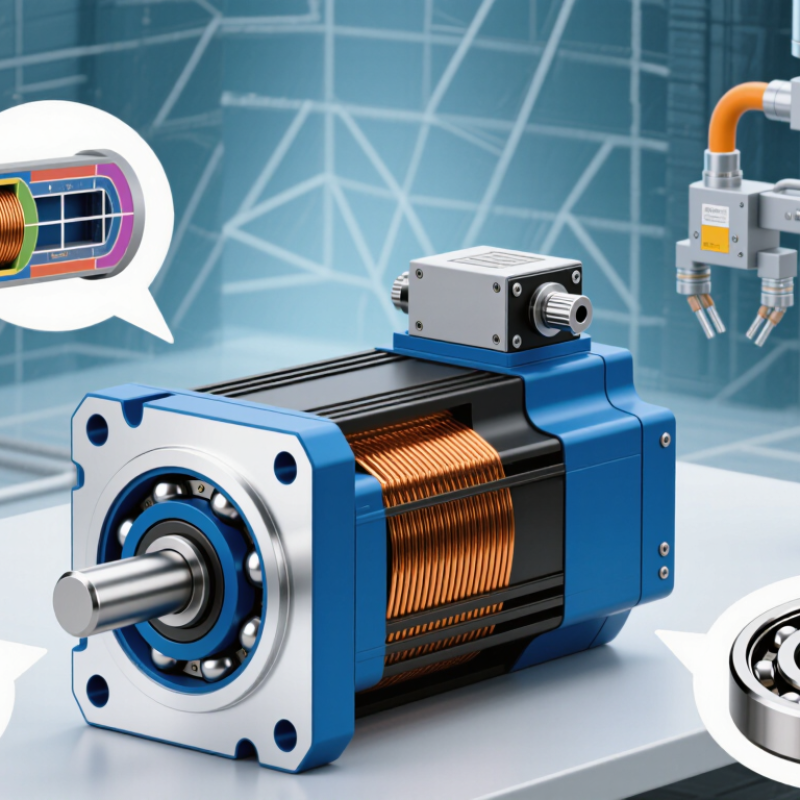
What Makes a Stepper Motor Radiation Resistant
2026 Best Radiation Resistant Stepper Motor Suppliers
Radiation resistance begins with the motor’s materials, not its sales label. A qualified stepper motor uses radiation-tolerant insulation, winding varnish, magnets, bearings, and position sensors. The driver electronics often remain the weakest link. NASA NEPP radiation-effects reports separate total ionizing dose, displacement damage, and single-event effects. Each mechanism can produce different failures.
Dose matters. NASA parts guidance commonly evaluates electronics near 30–100 krad(Si), depending on mission risk and orbit. That range is not a universal motor rating. A supplier should provide test conditions, dose rate, temperature, bias state, and post-test torque data. Without these details, “radiation resistant” remains incomplete. Ask for winding resistance, holding torque, detent torque, insulation resistance, and step accuracy before and after exposure.
Material choices become visible under stress. Polyimide insulation can support high-temperature operation, while low-outgassing lubricants protect bearings in vacuum. Shielding may reduce dose, but it cannot repair lubricant breakdown or magnet demagnetization.
ESA ECSS qualification practices emphasize mission-specific verification rather than generic claims. That approach is sensible, although many procurement teams still compare only krad numbers. A practical supplier audit should include lot traceability, accelerated aging, vibration testing, and radiation records. Small oversights matter. A motor may survive the dose yet lose steps when its driver resets. That is the detail worth challenging.
Key Specifications for Evaluating Radiation Resistant Stepper Motors
Selecting radiation-resistant stepper motors in 2026 requires more than checking a “rad-hard” label. Compare total ionizing dose ratings in krad(Si), displacement damage limits, and single-event effects data. NASA EEE-INST-002 identifies radiation qualification as a component-level verification activity, not a marketing claim. Ask suppliers for test conditions, dose rate, bias state, temperature, and post-test performance.
Torque must remain stable after exposure. Record holding torque, pull-in torque, detent torque, step angle, and speed under the intended load. A motor rated at 1.2 N·m may deliver much less torque at vacuum temperature extremes. Check winding resistance, inductance, insulation resistance, and back-EMF before and after irradiation. Small drift matters.
Thermal data deserves equal attention. ECSS-E-ST-10-06 recommends documented radiation analyses for space hardware, including mission environment and shielding assumptions. Suppliers should provide thermal-vacuum results, bearing materials, lubricant limits, and connector compatibility. Ask for lifetime testing, not only short exposure tests. A clean graph can still hide weak sampling. I would also request lot traceability and raw test records. That slows procurement, but it reduces unpleasant surprises during integration. Sodium-potassium coolant, high-energy plasma, or unauthorized modifications should never replace certified test evidence.
Top Radiation Resistant Stepper Motor Suppliers in 2026
Top Radiation Resistant Stepper Motor Suppliers in 2026 are being judged by evidence, not catalog language. Industry forecasts from MarketsandMarkets place the global stepper motor market on a steady growth path through 2028, driven by automation, robotics, and aerospace systems. However, public reports rarely separate radiation-resistant models from standard motors. That gap matters.
Reliable suppliers should provide total ionizing dose data in krad(Si), temperature limits, torque curves, and test conditions. NASA radiation-effects reports distinguish total ionizing dose, displacement damage, and single-event effects. A motor may survive one exposure type while failing under another. Ask for test certificates, winding insulation details, bearing materials, and lot traceability. Small details decide mission reliability.
Look for suppliers with documented qualification experience in vacuum, high radiation, and thermal cycling environments. European space engineering guidance also emphasizes component derating and verification under realistic mission conditions. Request measured holding torque at operating temperature, not only room-temperature figures. The connector may fail first. This is often overlooked.
A useful supplier comparison should include screening costs, lead time, repairability, and engineering support. Independent laboratory testing adds confidence, but supplier data still requires review. Some datasheets remain incomplete. That is a warning, not a minor inconvenience. In 2026, the strongest suppliers will combine radiation testing, transparent documentation, and practical application support without overstating performance.
2026 Best Radiation Resistant Stepper Motor Suppliers - Top Radiation Resistant Stepper Motor Suppliers in 2026
This supplier-neutral chart compares commonly specified total ionizing dose qualification levels for radiation-resistant stepper motor applications. Values are shown in megarad (Mrad), where 1 Mrad equals 10 kGy. Actual performance depends on motor construction, insulation, lubricants, electronics, shielding, dose rate, temperature, and test standards; buyers should request supplier qualification reports for the intended radiation environment.
Industries and Environments That Require Radiation Resistant Motors
Radiation-resistant stepper motors serve industries where ordinary insulation, lubricants, and magnets may degrade quickly. Nuclear power facilities use them for valve positioning, inspection tools, and remote handling systems. Gamma radiation can reach motors installed near containment equipment. Neutron exposure may create different material problems. The motor must match the radiation type, accumulated dose, temperature, and operating duration.
Spacecraft and scientific instruments also need careful motor selection. Satellite mechanisms may face radiation, vacuum, extreme temperature changes, and limited maintenance access. Particle accelerators, medical radiotherapy equipment, and sterilization chambers create demanding conditions as well. In these environments, engineers often specify ceramic components, radiation-tolerant insulation, low-outgassing lubricants, and sealed construction. Torque margin matters.
Small details matter.
A supplier should provide test data, dose ratings, temperature limits, and expected service life. Those figures should reflect the complete motor assembly, not only one tested material. Cables, connectors, feedback devices, and adhesives can fail before the windings do. In my experience, installation geometry also changes the result. Shielding may reduce exposure on one side while increasing heat retention. No specification is perfect. Engineers should review real duty cycles, perform qualification testing, and leave room for uncertainty. A motor that works in a short laboratory test may still struggle after years of repeated radiation and thermal cycling.
How to Select the Right Radiation Resistant Stepper Motor Supplier
2026 Best Radiation Resistant Stepper Motor Suppliers
How to Select the Right Radiation Resistant Stepper Motor Supplier
Selecting a radiation resistant stepper motor supplier requires more than checking a product label. Define the radiation type, total dose, dose rate, temperature, vacuum level, and mission duration. These conditions shape insulation, bearings, lubricants, magnets, and cable materials. Ask for evidence. Request test reports, material records, and clear operating limits.
A reliable supplier should explain how the motor was tested. Look for dose exposure data, torque retention, insulation resistance, step accuracy, and post-test inspection results. Testing at room temperature may not represent a motor inside a hot, shielded enclosure. Confirm whether the supplier can provide radiation testing under combined thermal and vacuum conditions. That matters.
Review the supplier’s engineering process, not only its catalog. Check winding control, rotor balancing, connector selection, and quality traceability. Ask for sample units before approving production. Measure holding torque, current draw, vibration, and missed-step behavior. Do not guess.
Cost can mislead. A cheaper motor may require extra shielding, cooling, or replacement planning. A higher-rated design may reduce those risks, but only when its data matches your application. It is tempting to trust impressive dose numbers. However, incomplete test conditions weaken confidence. Recheck assumptions with the supplier, and document every limit before final selection.